Table of Contents
What Exactly Is the Mediterranean Diet?
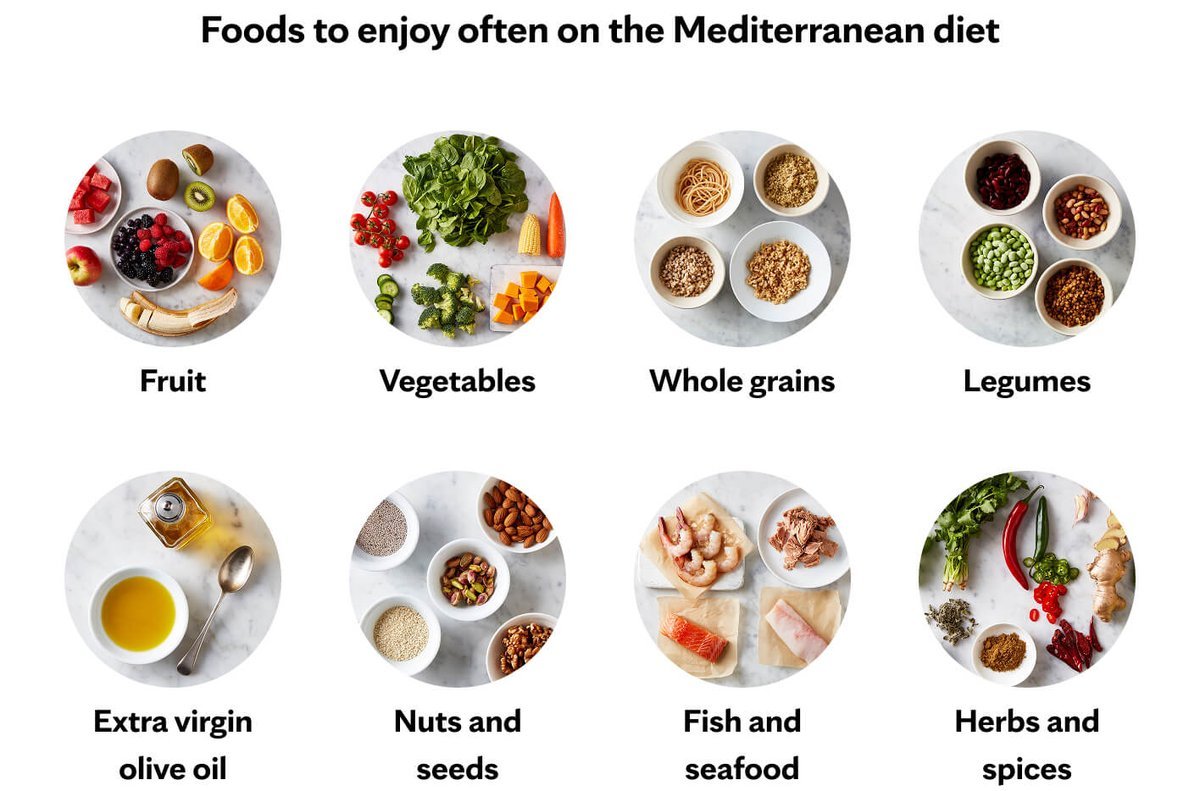
You might picture plates of pasta and glasses of red wine when you hear "Mediterranean diet." That’s part of it, but the real core is simpler than you think. This isn’t a rigid set of rules. It’s a flexible eating pattern inspired by the traditional foods of Greece, Italy, Spain, and other countries along the Mediterranean coast. You’ll fill your plate with vegetables, fruits, whole grains, legumes, nuts, and seeds. Olive oil serves as your primary fat source. Fish and seafood make frequent appearances, while poultry, eggs, and dairy show up in moderate amounts. Red meat and sugary treats become occasional indulgences—think once a week or less. The landmark PREDIMED trial, which followed over 7,000 adults, found that eating this way reduced the risk of major cardiovascular events by roughly 30%. The beauty is you don’t need to overhaul your kitchen overnight. Start by adding a handful of spinach to your morning scramble or tossing chickpeas into your lunch salad. Those tiny upgrades build momentum fast.
Why This Eating Pattern Works for Long-Term Health
The Mediterranean diet isn’t just about losing weight—though you likely will shed a few pounds without counting calories. Its real power lies in dialing down chronic inflammation and protecting your blood vessels. A 2019 meta-analysis that pooled data from over 34,000 individuals reported that people who closely followed this pattern had a 25% lower chance of developing type 2 diabetes. The ingredients do the heavy lifting: polyphenols in extra-virgin olive oil calm oxidative stress, omega-3s from fatty fish keep your arteries flexible, and fiber from legumes and whole grains feeds the good bacteria in your gut. You don’t need a biochemistry degree to benefit. Swap butter on your toast for a drizzle of olive oil and a sprinkle of za’atar. Snack on a small handful of walnuts instead of cheese crackers. These swaps add up. A 2022 study in the Journal of the American College of Cardiology showed that replacing just 5% of your saturated fat calories with olive oil lowered heart disease risk by 10%. You’re not giving things up—you’re upgrading your plate with ingredients that actively heal your body.
Nutrition Science: Stanford research found that organic produce has similar nutrient levels to conventional but 30% lower pesticide residue. Washing all produce under running water removes up to 80% of surface pesticides.
Your Mediterranean Pantry Staples (and What to Ditch)
A well-stocked pantry removes decision fatigue on busy weeknights. You’ll want extra-virgin olive oil, canned whole tomatoes, jars of roasted red peppers, olives, capers, dried oregano, garlic, onions, and a variety of dried beans and lentils. Grab farro, quinoa, or bulgur for quick grain bases. Keep frozen spinach, artichoke hearts, and edamame on hand for days when fresh produce runs low. Canned sardines, anchovies, and wild salmon offer convenient protein without a trip to the fishmonger. Now, what’s working against you? Processed snacks, sugary cereals, margarine sticks, and soda don’t fit this picture. Instead of chips, try toasted pita strips with hummus. Swap your afternoon soda for sparkling water with a squeeze of lemon and a sprig of mint. The numbers support this shift: a 2020 analysis of over 90,000 health professionals found that people who consumed at least two tablespoons of olive oil daily had a 14% lower risk of heart disease compared to those who used other fats. Clear out one shelf this weekend and line it with these ten essentials. You’ll feel the difference before the week is over.
A Week of Mediterranean Meals Made Simple
Planning seven days of meals might sound overwhelming, but you can bake variety into a simple framework. Here’s a no‑stress sample to kick things off. Monday: Greek yogurt with mixed berries and a teaspoon of honey for breakfast; a lentil soup with a side of whole-grain bread for lunch; grilled salmon with roasted broccoli and lemon-herb farro for dinner. Tuesday: scrambled eggs with sautéed spinach and tomatoes; a chickpea and cucumber salad tossed in olive oil and red wine vinegar; whole-wheat spaghetti with garlic shrimp, cherry tomatoes, and fresh basil. Wednesday: oatmeal topped with sliced almonds and fresh figs; leftover lentil soup; baked chicken thighs with artichoke hearts, olives, and a side of quinoa. Continue the rhythm through the week, alternating fish, legumes, and poultry while keeping vegetables at center stage. You’ll notice you’re naturally hitting the two servings of vegetables and two to three servings of fruit that a major 2020 cohort study linked to a 28% lower heart disease risk. Batch cook a big tray of roasted peppers, zucchini, and eggplant on Sunday, and you’ll have ready-to-go components for wraps, grain bowls, and omelets. Leftovers become tomorrow’s lunch without extra effort.
Navigating Dining Out and Social Events
A restaurant menu won’t ruin your progress if you walk in with a simple game plan. Look for grilled or baked fish, seafood stews, and salads topped with legumes or nuts. Ask for olive oil and vinegar instead of creamy dressings. Choose a side of sautéed greens over fries. Even that one switch can slash your meal’s saturated fat by up to 15 grams, according to nutrition analyses of common restaurant sides. When the bread basket arrives, dip a piece in a small dish of olive oil rather than slathering it with butter. At a party, gravitate toward the veggie platter and the cheese board—enjoy a few cubes of feta or manchego with olives, and skip the fried appetizers. You don’t have to announce that you’re “on a diet.” Simply fill your plate as if you were dining at a seaside taverna. If you’re unsure about a dish, scan the online menu beforehand and pick two or three options that align with Mediterranean principles. This small act of preparation settles your nerves and keeps you in control without feeling restricted.
How to Make It Stick (Without Overcomplicating Things)
Consistency matters more than a perfect meal plan. Start with one tiny habit and let it snowball. Maybe you commit to adding one extra vegetable to your lunch every day. After that feels automatic, try replacing your afternoon granola bar with a piece of fruit and a few almonds. This technique, known as habit stacking, works because your brain doesn’t fight gradual change. Tracking what you eat for just three days a week can boost your long-term adherence by up to 45%, based on a 2021 behavior change study. You don’t need a full food diary; a quick photo of your plate or a sentence in a notes app does the job. Give yourself permission to enjoy real celebrations—a slice of birthday cake or your grandmother’s lasagna doesn’t undo weeks of progress. The Mediterranean lifestyle is about togetherness and pleasure at the table. Sit down for meals, share stories, and savor each bite. When you anchor your diet in connection and enjoyment, the health benefits follow naturally. That’s the real secret—and it’s been working for generations.
Building a healthy eating pattern does not require drastic changes or eliminating entire food groups. Small, consistent adjustments produce results that last far longer than crash diets or extreme elimination protocols. The most effective approach is to add nutritious foods to your diet rather than focusing on what to remove. A handful of leafy greens added to your lunch, an extra serving of vegetables at dinner, or swapping refined grains for whole grains at one meal per day creates momentum that naturally displaces less nutritious options without the deprivation mindset that undermines most dietary changes. Over weeks and months, these micro-habits compound into meaningful improvements in energy levels, digestion, and overall health markers.
Meal preparation is the single most effective strategy for maintaining a healthy diet during a busy week. Setting aside two to three hours on a Sunday to wash and chop vegetables, cook a batch of whole grains, portion out proteins, and prepare a simple dressing or sauce eliminates the daily decision fatigue that leads to takeout and convenience foods. Invest in a few good-quality glass containers that allow you to see contents at a glance. Focus on components rather than complete meals -- having prepped ingredients on hand lets you assemble different combinations throughout the week without eating the same thing every day. The time invested in meal prep pays back dividends in reduced stress, better food choices, and significant cost savings.
Understanding the science behind nutrition helps separate evidence-based recommendations from the endless stream of diet trends and marketing claims. The quality of research matters enormously -- randomized controlled trials carry far more weight than observational studies, and systematic reviews that pool data from multiple studies provide the most reliable guidance. Be particularly skeptical of studies funded by food manufacturers or organizations with a vested interest in the outcome. A healthy dose of scientific literacy serves you well in navigating conflicting nutrition advice. When in doubt, the fundamentals are remarkably consistent across decades of research: eat plenty of vegetables and fruits, choose whole grains over refined, prioritize plant and fish proteins, and limit added sugars and ultra-processed foods.