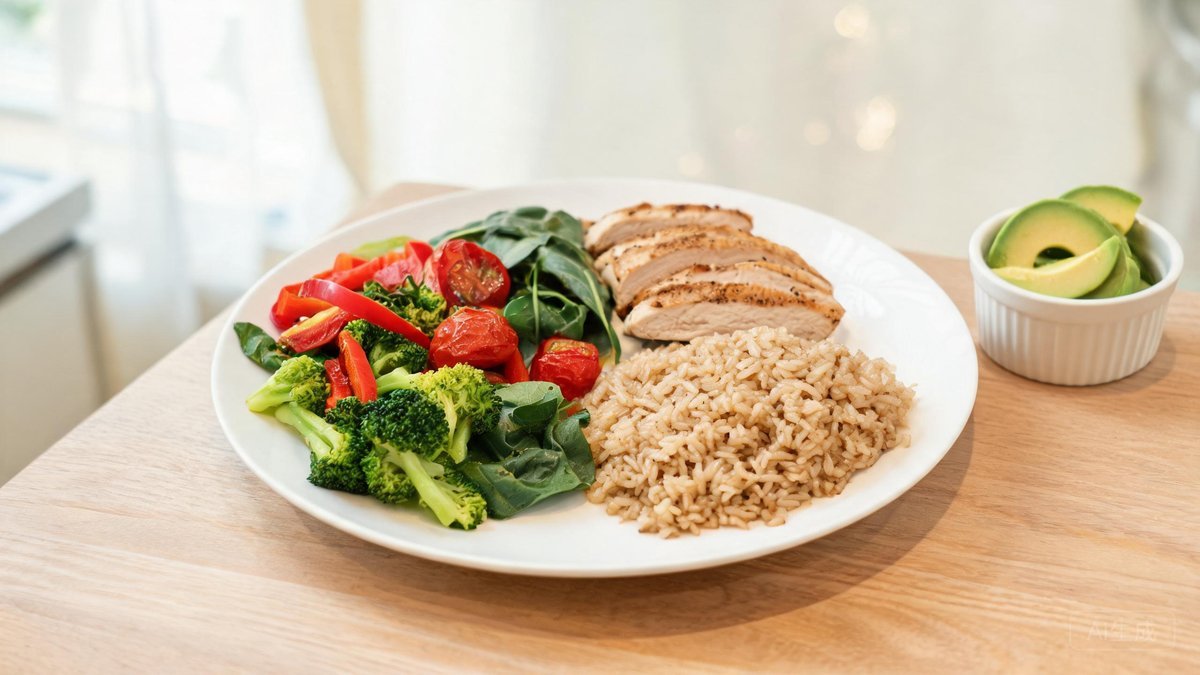
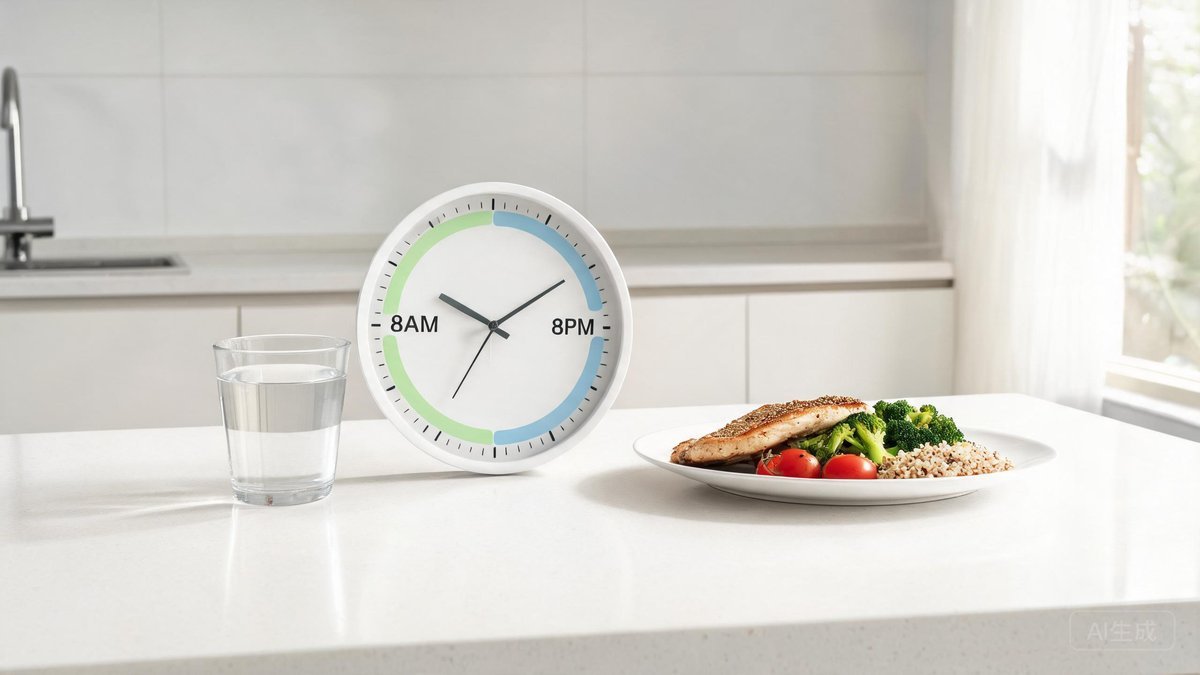
Meal planning is one of the most effective tools for anyone looking to eat healthier, save money, and reduce the daily stress of deciding what to cook. When you plan meals in advance, you make intentional choices about nutrition rather than reaching for whatever is convenient in the moment. Research consistently shows that people who plan their meals consume more fruits and vegetables, maintain a more balanced macronutrient intake, and are less likely to rely on takeout or processed convenience foods.
The foundation of effective meal planning starts with understanding your weekly rhythm. Look at your calendar before you look at your cookbook. Which nights are busy with work, school pickup, or evening activities? Those are the nights for quick meals, sheet pan dinners, or slow cooker recipes that can cook while you are out. Reserve more involved recipes for evenings when you have time to enjoy the cooking process. This simple calendar-first approach prevents the frustration of planning ambitious meals on nights when you realistically have twenty minutes to get dinner on the table.
A well-structured meal plan balances variety with practicality. Most households rotate through a core set of ten to fifteen recipes that everyone enjoys and that fit the cook's skill level and available equipment. Building this rotation is an ongoing process — try one or two new recipes each week alongside familiar favorites. When a new recipe earns repeat requests, it earns a spot in the rotation. Over time, you develop a personal cookbook of tested, family-approved meals that makes weekly planning a matter of selecting from known winners rather than starting from scratch each time.
Grocery shopping becomes dramatically more efficient when guided by a meal plan. Instead of wandering aisles and impulse-buying items that may or may not combine into coherent meals, you shop from a list derived from specific recipes. This reduces food waste, lowers grocery bills, and eliminates the dreaded five-o'clock realization that you have ingredients but no plan. Many meal planners find that shopping once per week with a detailed list cuts their food spending by fifteen to thirty percent while simultaneously improving the quality and variety of their meals.
Batch cooking and ingredient prep make meal planning much more effective. Spending two to three hours on a Sunday washing and chopping vegetables, cooking grains, marinating proteins, and preparing sauces means weekday meals come together in minutes rather than an hour. This approach works especially well for households with young children, demanding jobs, or evening commitments that make nightly from-scratch cooking impractical. The key is identifying which prep tasks deliver the most time savings — chopping onions, mincing garlic, and washing greens are high-impact prep tasks that speed up nearly every recipe.
Special diets require more careful planning but benefit even more from the structure meal planning provides. Whether you are managing food allergies, following a plant-based diet, tracking macros for fitness goals, or navigating medical dietary restrictions, planning ensures you meet nutritional needs without last-minute scrambling. Our guides cover meal planning for Mediterranean, vegetarian, low-carb, high-protein, and budget-conscious approaches, with practical templates you can adapt to your preferences.
The articles in this category walk through every aspect of meal planning in detail — from beginner-friendly weekly prep guides to advanced strategies like theme nights, freezer stocking, and seasonal menu rotation. Each guide includes actionable steps, printable templates, and real-world examples from home cooks who have refined their planning systems over years of practice. Start with the beginner guides if you are new to meal planning, or jump into specific topics like budget meal plans or batch cooking if you already have a system and want to optimize it further.
Budget-conscious meal planning deserves special attention. Eating well on a limited budget is entirely achievable with the right strategies — buying in-season produce, leveraging frozen vegetables and fruits (which are flash-frozen at peak ripeness and often more nutritious than out-of-season fresh), choosing cheaper protein sources like eggs, legumes, and chicken thighs over premium cuts, and minimizing food waste by using every part of an ingredient. Our budget meal planning guides show how to feed a family of four healthy, varied meals for under a specific weekly budget, with actual grocery lists and receipts from real shopping trips.
Seasonal meal planning connects your kitchen to what is actually growing near you right now. Spring brings asparagus, peas, and tender greens. Summer overflows with tomatoes, zucchini, corn, and stone fruit. Fall delivers squash, apples, root vegetables, and the last of the warm-weather herbs. Winter calls for hardy greens, citrus, and the preserved bounty from earlier seasons. Eating seasonally improves flavor, reduces cost, supports local agriculture, and naturally rotates your diet through different nutrients across the year.
Meal prep containers and storage strategies play a surprisingly significant role in meal planning success. Investing in a set of uniform glass or BPA-free containers in portion-appropriate sizes makes it easy to pack lunches, store prepped ingredients, and reheat leftovers efficiently. Containers that stack neatly in the refrigerator make it easier to see what you have available. Glass containers are microwave and dishwasher safe, do not absorb stains or odors from tomato-based or heavily spiced dishes, and last for years with proper care. Labeling containers with contents and date using masking tape and a permanent marker prevents the mysterious containers that get pushed to the back of the refrigerator.
Overcoming meal planning fatigue is an often overlooked aspect of maintaining the habit long term. Even the most organized planners hit stretches where the thought of another week of planning feels draining. The solution is not more discipline but more flexibility — build in a wild card night each week for takeout, leftovers, or something spontaneous. Rotate through different planning styles: intensive prep weeks followed by relaxed weeks with minimal cooking. Keep a running list of meals that take less than twenty minutes and use only pantry staples for those weeks when life gets hectic. Sustaining meal planning as a habit matters far more than executing it perfectly every single week.
Technology can enhance meal planning without taking over. Dedicated meal planning apps aggregate recipes, generate shopping lists, and track nutritional information across planned meals. Even a simple shared digital note or spreadsheet with embedded recipe links can serve as an effective central planning document for a household. The most important feature is whatever format both partners will actually use. Some families prefer a physical whiteboard on the refrigerator that anyone can update as they notice supplies running low or schedule changes arise. The best system is the one that fits your household's actual decision-making patterns and communication style.
Building a healthy eating pattern does not require drastic changes or eliminating entire food groups. Small, consistent adjustments produce results that last far longer than crash diets or extreme elimination protocols. The most effective approach is to add nutritious foods to your diet rather than focusing on what to remove. A handful of leafy greens added to your lunch, an extra serving of vegetables at dinner, or swapping refined grains for whole grains at one meal per day creates momentum that naturally displaces less nutritious options without the deprivation mindset that undermines most dietary changes. Over weeks and months, these micro-habits compound into meaningful improvements in energy levels, digestion, and overall health markers.
Meal preparation is the single most effective strategy for maintaining a healthy diet during a busy week. Setting aside two to three hours on a Sunday to wash and chop vegetables, cook a batch of whole grains, portion out proteins, and prepare a simple dressing or sauce eliminates the daily decision fatigue that leads to takeout and convenience foods. Invest in a few good-quality glass containers that allow you to see contents at a glance. Focus on components rather than complete meals -- having prepped ingredients on hand lets you assemble different combinations throughout the week without eating the same thing every day. The time invested in meal prep pays back dividends in reduced stress, better food choices, and significant cost savings.
Understanding the science behind nutrition helps separate evidence-based recommendations from the endless stream of diet trends and marketing claims. The quality of research matters enormously -- randomized controlled trials carry far more weight than observational studies, and systematic reviews that pool data from multiple studies provide the most reliable guidance. Be particularly skeptical of studies funded by food manufacturers or organizations with a vested interest in the outcome. A healthy dose of scientific literacy serves you well in navigating conflicting nutrition advice. When in doubt, the fundamentals are remarkably consistent across decades of research: eat plenty of vegetables and fruits, choose whole grains over refined, prioritize plant and fish proteins, and limit added sugars and ultra-processed foods.
Mindful eating transforms your relationship with food by shifting focus from rigid rules to genuine awareness. Paying attention to hunger and fullness cues, eating without distractions like phones or television, and savoring each bite allows your body's natural regulation systems to function correctly. Research shows that mindful eating practices reduce binge eating episodes, improve digestion, and lead to more satisfying meals with smaller portions. Start with a simple practice: before each meal, take three deep breaths and observe the colors, aromas, and textures on your plate. Eat slowly, putting your fork down between bites, and pause midway through to assess your fullness level. These small adjustments rewire deeply ingrained eating habits over time.
Eating well on a budget is entirely achievable with strategic planning and some simple techniques. Frozen vegetables and fruits are just as nutritious as fresh -- often more so, since they are flash-frozen at peak ripeness -- and cost significantly less while lasting far longer. Dried beans and lentils cost pennies per serving compared to canned versions and allow you to control sodium. Whole grains purchased in bulk from the bins section of your grocery store cost a fraction of packaged alternatives. Seasonal produce is both cheaper and more flavorful than out-of-season imports. Planning your weekly menu around what is on sale rather than deciding what you want and hoping for a deal can cut your grocery bill by 20 to 30 percent without sacrificing nutritional quality.
Gut health has emerged as one of the most important areas of nutritional science, with research revealing that the trillions of bacteria living in your digestive tract influence everything from immune function to mood regulation to weight management. Feeding your gut microbiome a diverse range of fiber sources -- soluble fiber from oats and beans, insoluble fiber from vegetables and whole grains, and prebiotic fiber from garlic, onions, and bananas -- supports a healthy and diverse bacterial ecosystem. Fermented foods like yogurt, kefir, sauerkraut, and kimchi introduce beneficial probiotics directly. Limiting artificial sweeteners, emulsifiers, and excessive alcohol helps protect the gut lining from inflammation and permeability issues that can trigger broader health problems.