Table of Contents
Eating nutrient-dense foods consistently is one of the most reliable ways to support long-term health. While no single food can transform your well-being overnight, incorporating certain superfoods into your daily routine provides concentrated doses of the vitamins, minerals, and antioxidants your body needs to function optimally. The five superfoods covered in this guide are backed by solid research and are easy to find at any grocery store. You do not need exotic ingredients or expensive supplements to eat well. These five foods, when eaten regularly, deliver outsized nutritional benefits relative to their calorie content.
1. Leafy Greens
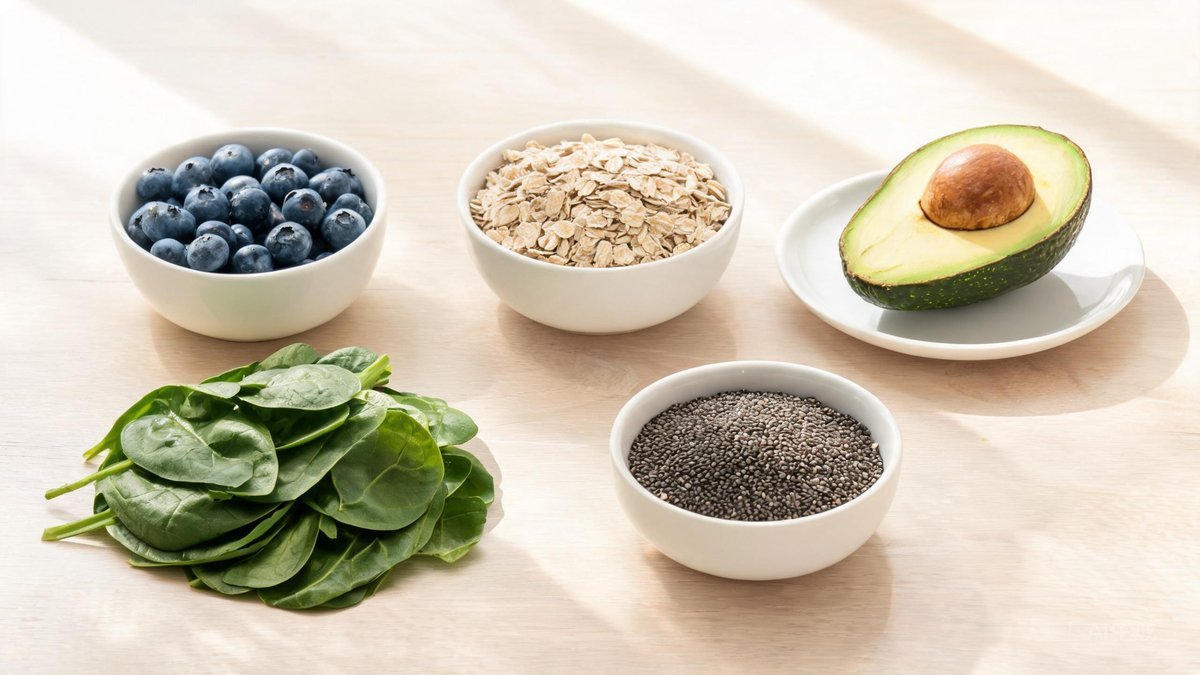
Leafy greens like spinach, kale, and Swiss chard are packed with vitamins A, C, and K, as well as folate and fiber. One cup of cooked spinach provides over 370 percent of your daily vitamin K, which is essential for bone health and blood clotting. Research consistently links higher intake of leafy greens to lower risk of chronic diseases, including heart disease and certain cancers. The magnesium content in leafy greens also supports muscle function, nerve transmission, and healthy blood pressure levels.
Add a handful of spinach to your morning smoothie, toss kale into salads, or saute Swiss chard with garlic for a quick side dish. Aim for at least one serving per day to maximize benefits. The fiber in these greens also supports digestion and helps maintain stable blood sugar levels throughout the day. When shopping for greens, look for deeply colored leaves without wilting or yellowing, as vibrant color indicates higher nutrient density.
For maximum nutrient absorption, pair leafy greens with a source of healthy fat like olive oil or avocado. Vitamin K and other fat-soluble vitamins become more bioavailable when consumed with a little fat. A simple dressing of extra virgin olive oil and lemon juice on a kale salad is both delicious and nutritionally strategic.
2. Berries
Blueberries, strawberries, raspberries, and blackberries are antioxidant powerhouses, rich in anthocyanins and flavonoids. These compounds neutralize free radicals in the body that would otherwise contribute to cellular damage and accelerated aging. Studies show that regular consumption of berries can improve cognitive function and reduce the risk of heart disease. One cup of blueberries offers about 3.6 grams of fiber and significant amounts of vitamin C and manganese, the latter being important for bone development and metabolism.
The polyphenols in berries help protect blood vessels, reduce inflammation, and may slow age-related memory decline. A 2019 study in the American Journal of Clinical Nutrition found that older adults who ate berries daily had a 33 percent lower risk of cognitive decline over four years compared to those who ate berries less than once per month. The protective effect is attributed to the combination of anthocyanins and other flavonoids that accumulate in brain tissue over time.
Enjoy berries fresh, frozen, or blended into yogurt and oatmeal. Frozen berries retain their nutritional value because they are flash-frozen at peak ripeness, and they are often more affordable during off-season months. Try mixing them into overnight oats, adding them to pancake batter, or making a simple berry compote without added sugar for a versatile topping that works on yogurt, oatmeal, or whole-grain toast.
3. Fatty Fish
Salmon, mackerel, sardines, and trout are excellent sources of omega-3 fatty acids EPA and DHA. These fats are crucial for brain health and reducing inflammation throughout the body. The American Heart Association recommends eating two servings of fatty fish per week to lower risk of heart disease and stroke. Omega-3s are considered essential fatty acids because the human body cannot produce them in sufficient quantities on its own, making dietary intake critical.
A 3.5-ounce serving of wild salmon provides about 2.2 grams of omega-3s, surpassing the daily recommended intake. Regular fish consumption has been linked to improved mood regulation, better joint health, lower triglyceride levels, and reduced blood pressure. Some studies also suggest that adequate omega-3 intake may support healthy aging and protect vision by reducing the risk of age-related macular degeneration. The protein in fatty fish is also highly bioavailable, meaning your body can use it efficiently for muscle repair and maintenance.
According to the American Heart Association, eating two servings of fatty fish per week can reduce the risk of heart disease by up to 36%.
For those who do not eat fish, consider algae-based omega-3 supplements or include more flaxseeds, chia seeds, and walnuts in your diet. However, the DHA derived from fish is more efficiently utilized by the body because it is already in its active form. Try grilling salmon with herbs and lemon, adding canned sardines to salads, or making simple tuna patties for a quick protein boost that fits any schedule.
4. Legumes
Lentils, chickpeas, black beans, and kidney beans are packed with fiber and plant-based protein. One cup of cooked lentils delivers about 18 grams of protein and 16 grams of fiber, making them one of the most filling foods you can eat. The low glycemic index of legumes helps stabilize blood sugar and supports weight management by promoting satiety and reducing overall calorie intake at subsequent meals. Legumes are also rich in folate, iron, magnesium, and potassium.
A 2021 meta-analysis in the Journal of Nutrition reported that consuming legumes at least four times per week lowered LDL cholesterol by an average of 5 percent. Their high soluble fiber content binds to cholesterol in the digestive tract and removes it from the body before it enters circulation. Additionally, the resistant starch in legumes acts as a prebiotic, feeding beneficial gut bacteria and promoting a healthy microbiome that supports immune function and nutrient absorption.
Incorporate legumes into soups, stews, salads, or wraps. Replace half the meat in your favorite chili with lentils to boost fiber and reduce saturated fat. Canned varieties are convenient, but rinse them well under cold water to reduce sodium content by up to 40 percent. Dried legumes are more economical and allow you to control the texture and seasoning from scratch.
Legumes are also budget friendly and have a long shelf life, making them a staple for meal prepping. Pair them with whole grains like brown rice, quinoa, or oats for a complete amino acid profile that provides all the building blocks your body needs for protein synthesis.
5. Nuts and Seeds
Almonds, walnuts, flaxseeds, and chia seeds provide healthy monounsaturated and polyunsaturated fats, along with magnesium, selenium, and vitamin E. A one-ounce serving of almonds contains about 6 grams of protein and 3.5 grams of fiber. Population studies consistently link nut consumption to a lower risk of heart disease and a longer lifespan. The vitamin E in almonds acts as a powerful antioxidant that protects cell membranes from oxidative damage.
The Harvard Nurses' Health Study found that women who ate nuts at least five times per week had a 29 percent lower risk of cardiovascular disease. Chia seeds and flaxseeds are also excellent sources of plant-based omega-3s and can absorb up to 10 times their weight in water, forming a gel that aids digestion and promotes feelings of fullness. Walnuts, in particular, are rich in alpha-linolenic acid, a plant-based omega-3 that contributes to heart health.
Keep a small handful of mixed nuts as a midday snack, sprinkle chia seeds on yogurt or oatmeal, or add ground flaxseeds to smoothies and baked goods. Because nuts are calorie dense, stick to one or two servings per day to avoid excessive calorie intake. Pre-portioning nuts into small bags or containers makes it easier to control serving sizes when snacking on the go.
Variety matters because each type of nut and seed offers a unique nutrient profile. Rotate between almonds, walnuts, pumpkin seeds, and sunflower seeds to cover a broad range of vitamins and minerals. Storing nuts in the refrigerator or freezer prevents the healthy fats from going rancid, preserving their flavor and nutritional value for months.
Make These Superfoods Part of Your Daily Routine
Incorporating these five nutrient-dense superfoods into your daily diet does not require a complete overhaul of your eating habits. Start with small, sustainable swaps: add berries to breakfast, include leafy greens in lunch, choose fish for dinner twice a week, snack on nuts instead of processed options, and add legumes to soups and side dishes. Over time, these consistent choices support better heart health, brain function, and overall energy levels. The science is clear that people who regularly consume these foods have lower rates of chronic disease and better markers of metabolic health. Your body will thank you for the concentrated nourishment each of these foods provides, and the cumulative effect of eating them regularly will compound into meaningful health improvements over months and years.
Building a healthy eating pattern does not require drastic changes or eliminating entire food groups. Small, consistent adjustments produce results that last far longer than crash diets or extreme elimination protocols. The most effective approach is to add nutritious foods to your diet rather than focusing on what to remove. A handful of leafy greens added to your lunch, an extra serving of vegetables at dinner, or swapping refined grains for whole grains at one meal per day creates momentum that naturally displaces less nutritious options without the deprivation mindset that undermines most dietary changes. Over weeks and months, these micro-habits compound into meaningful improvements in energy levels, digestion, and overall health markers.
Meal preparation is the single most effective strategy for maintaining a healthy diet during a busy week. Setting aside two to three hours on a Sunday to wash and chop vegetables, cook a batch of whole grains, portion out proteins, and prepare a simple dressing or sauce eliminates the daily decision fatigue that leads to takeout and convenience foods. Invest in a few good-quality glass containers that allow you to see contents at a glance. Focus on components rather than complete meals -- having prepped ingredients on hand lets you assemble different combinations throughout the week without eating the same thing every day. The time invested in meal prep pays back dividends in reduced stress, better food choices, and significant cost savings.