Table of Contents
- 1. The Hormonal Switch: Ghrelin, Leptin, and Your Appetite
- 2. Insulin Sensitivity and Your Body's Ability to Burn Fat
- 3. Cortisol: The Stress Hormone That Encourages Belly Fat
- 4. How Sleep Timing Shapes Your Circadian Rhythm and Metabolism
- 5. Deep Sleep and Muscle Repair: Why It Matters for Your Resting Metabolic Rate
- 6. Practical Strategies to Improve Sleep for a Healthier Metabolism
You probably know that a bad night's sleep makes you groggy and irritable. But what you might not realize is that it also quietly rewires your metabolism, pushing your body toward fat storage and increased hunger. The link between sleep, metabolism, and weight isn't just about willpower—it's biological. When you skimp on shut-eye, your hormones, insulin response, and even the timing of your internal clock shift in ways that make weight management far harder. The good news? You can use sleep as a powerful, practical tool to support a healthier weight. Here's exactly how sleep affects your metabolism and what you can do about it, starting tonight.
1. The Hormonal Switch: Ghrelin, Leptin, and Your Appetite
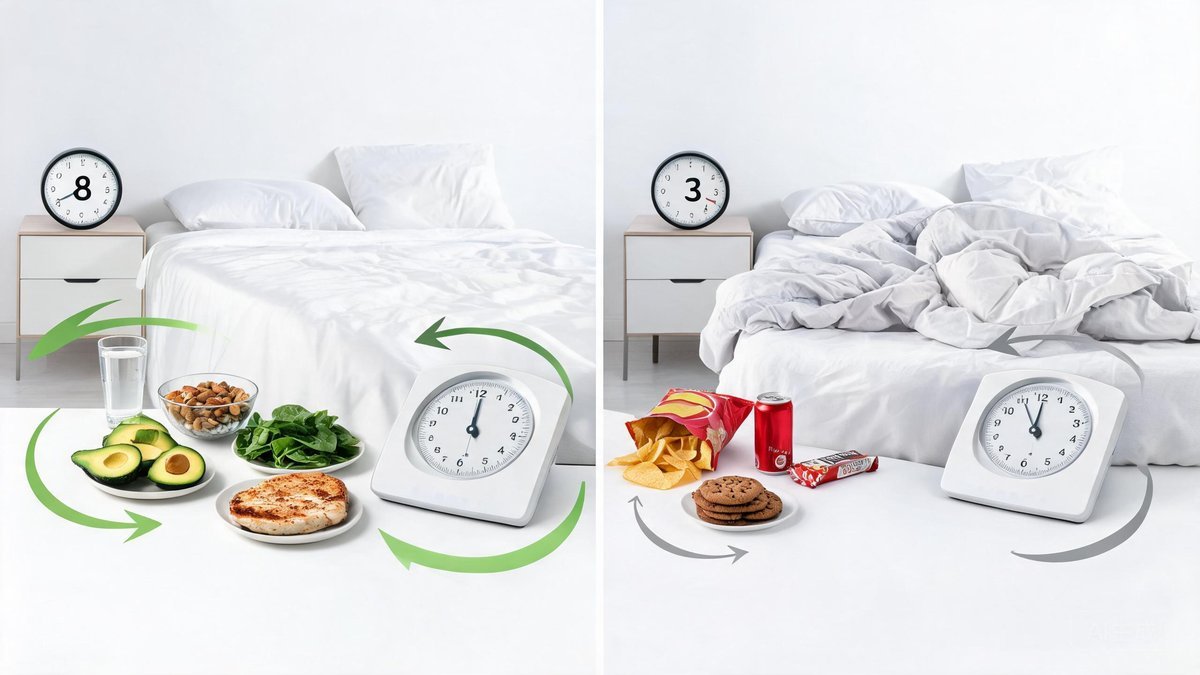
Sleep loss directly disrupts the two master hormones that control your hunger and fullness. When you don't get enough rest, your body churns out more ghrelin, the "go eat" signal, and slashes leptin, the "you're full" messenger. One often-cited study found that men sleeping only 4.5 hours a night produced about 15% more ghrelin and 15% less leptin compared to when they slept 8.5 hours. That hormonal nudge translates into a tangible calorie uptick—participants ended up eating roughly 300 extra calories a day, often from high-carb, high-sugar snacks. This isn't about a lack of discipline. Your sleep-deprived brain is simply responding to a potent biochemical drive. The practical takeaway: if you're trying to lose weight but getting under 7 hours of sleep, you're fighting your own physiology. Set a firm bedtime that allows 7 to 8 hours in the sack. Even 30 extra minutes of sleep can dampen ghrelin spikes enough to curb that late-night pantry raid.
2. Insulin Sensitivity and Your Body's Ability to Burn Fat
Poor sleep doesn't just make you hungry—it makes your cells stubbornly resistant to insulin. After a single night of only 4 hours of sleep, healthy adults can show up to a 25% drop in insulin sensitivity. That means your pancreas has to pump out more insulin to clear glucose from your bloodstream, and elevated insulin is a direct signal for your body to store fat, particularly around your midsection. When insulin stays high, fat-burning (lipolysis) gets put on pause, no matter how carefully you're eating during the day. You might think you can fix a sleepless night with coffee and a low-calorie breakfast, but your cells are already locked in storage mode. Here's the actionable part: don't rely on willpower alone. If you've had a rough night, prioritize a breakfast that's rich in protein and healthy fat—like Greek yogurt with nuts—and skip the refined carbs. Protein helps stabilize blood sugar and partially offsets the insulin resistance from poor sleep, giving your metabolism a steadier platform to work with.
Nutrition Science: According to the NIH, vitamin D deficiency affects 42% of Americans. Fatty fish, egg yolks, and 15 minutes of midday sun are the most effective natural sources.
3. Cortisol: The Stress Hormone That Encourages Belly Fat
When you shortchange sleep, your body interprets it as a threat and puts the hypothalamic-pituitary-adrenal axis on alert. The result is a chronic elevation of cortisol, especially in the evening when it should be winding down. Research indicates that people who regularly sleep fewer than 6 hours have cortisol levels up to 50% higher in the latter half of the day. High cortisol doesn't just ramp up your appetite—it shifts where you deposit fat. Cortisol increases the activity of lipoprotein lipase in visceral fat cells, pulling fatty acids out of your bloodstream and tucking them deep inside your abdominal cavity. This type of metabolically active belly fat is linked to greater inflammation and stubborn weight that resists dieting. You can't just "stress less" to fix it, but you can target the sleep piece: create a wind-down ritual that drops cortisol naturally. Even 15 minutes of dim lighting and a non-screen activity like reading fiction before bed can lower evening cortisol by a measurable amount, making your body less likely to hoard belly fat.
4. How Sleep Timing Shapes Your Circadian Rhythm and Metabolism
It's not just how long you sleep, but when you sleep that matters for your waistline. Your circadian clock orchestrates the daily rhythm of metabolic enzymes, hunger hormones, and even the gut microbiome. When you regularly go to bed after midnight or wake at drastically different times, you create a misalignment between your internal clocks and the external world—similar to a mild case of jet lag. A study showed that eating a meal just 1.5 hours before your natural melatonin onset reduced fat oxidation (the burning of fat for fuel) by roughly 10% compared to eating earlier in the evening. Your body isn't primed to metabolize food efficiently when it thinks it should be winding down. This explains why night-shift workers and chronic late-night eaters have a higher risk of obesity independent of total calorie intake. The fix: anchor your day by eating your last meal at least three hours before you climb into bed and try to keep your wake-up time consistent within a one-hour window, even on weekends. The consistency trains your circadian system to partition nutrients properly, so calories are burned rather than stored during your sleep fast.
5. Deep Sleep and Muscle Repair: Why It Matters for Your Resting Metabolic Rate
You build and repair muscle primarily during the deep, slow-wave stages of sleep, and muscle is the gas-guzzling engine of your metabolism. During deep sleep, your pituitary gland releases a surge of growth hormone, which stimulates protein synthesis and repairs the micro-tears your muscles accumulate from daily activity and exercise. Lose even a small chunk of that deep sleep, and you blunt the repair process, slowly chipping away at your lean mass. Over time, losing just one hour of deep sleep per week can drop your resting metabolic rate by up to 3%—that's roughly 45 to 60 fewer calories burned per day, which can add up to a steady weight gain of several pounds a year, without any changes to your diet. Protect your deep sleep by keeping your bedroom on the cooler side (around 65°F or 18°C) and avoiding alcohol within two hours of bed, since alcohol fragments deep sleep even if it helps you fall asleep initially. A cool room and a clean bedtime routine give you more time in the restorative phases where your metabolic rate gets a genuine boost.
6. Practical Strategies to Improve Sleep for a Healthier Metabolism
You don't need a complete life overhaul to see metabolic benefits from better sleep. Start with one or two evidence-based tactics and layer them in: keep your room pitch black—use an eye mask if needed, because light exposure during sleep can reduce insulin sensitivity the next morning. Move your last cup of coffee earlier; caffeine has a quarter-life of about 12 hours, meaning a 2 p.m. latte still leaves a quarter of the caffeine in your system at 2 a.m., enough to suppress deep sleep. A 2022 study found that dieters who maintained a consistent bedtime within a 30-minute window lost 22% more weight than those with a variable sleep schedule, even on identical calorie plans. That's a startling number and reinforces that sleep regularity is a low-effort, high-payoff move. Finally, if you find yourself wide-awake with a racing brain, try the 4-7-8 breathing technique: inhale for 4 counts, hold for 7, exhale for 8. It nudges your nervous system into a parasympathetic state and can shave 10 minutes off the time it takes you to fall asleep. Better sleep isn't a luxury—it's a metabolic tool you can start using tonight.
Building a healthy eating pattern does not require drastic changes or eliminating entire food groups. Small, consistent adjustments produce results that last far longer than crash diets or extreme elimination protocols. The most effective approach is to add nutritious foods to your diet rather than focusing on what to remove. A handful of leafy greens added to your lunch, an extra serving of vegetables at dinner, or swapping refined grains for whole grains at one meal per day creates momentum that naturally displaces less nutritious options without the deprivation mindset that undermines most dietary changes. Over weeks and months, these micro-habits compound into meaningful improvements in energy levels, digestion, and overall health markers.
Meal preparation is the single most effective strategy for maintaining a healthy diet during a busy week. Setting aside two to three hours on a Sunday to wash and chop vegetables, cook a batch of whole grains, portion out proteins, and prepare a simple dressing or sauce eliminates the daily decision fatigue that leads to takeout and convenience foods. Invest in a few good-quality glass containers that allow you to see contents at a glance. Focus on components rather than complete meals -- having prepped ingredients on hand lets you assemble different combinations throughout the week without eating the same thing every day. The time invested in meal prep pays back dividends in reduced stress, better food choices, and significant cost savings.
Understanding the science behind nutrition helps separate evidence-based recommendations from the endless stream of diet trends and marketing claims. The quality of research matters enormously -- randomized controlled trials carry far more weight than observational studies, and systematic reviews that pool data from multiple studies provide the most reliable guidance. Be particularly skeptical of studies funded by food manufacturers or organizations with a vested interest in the outcome. A healthy dose of scientific literacy serves you well in navigating conflicting nutrition advice. When in doubt, the fundamentals are remarkably consistent across decades of research: eat plenty of vegetables and fruits, choose whole grains over refined, prioritize plant and fish proteins, and limit added sugars and ultra-processed foods.