Table of Contents
1. What Probiotics and Prebiotics Actually Are
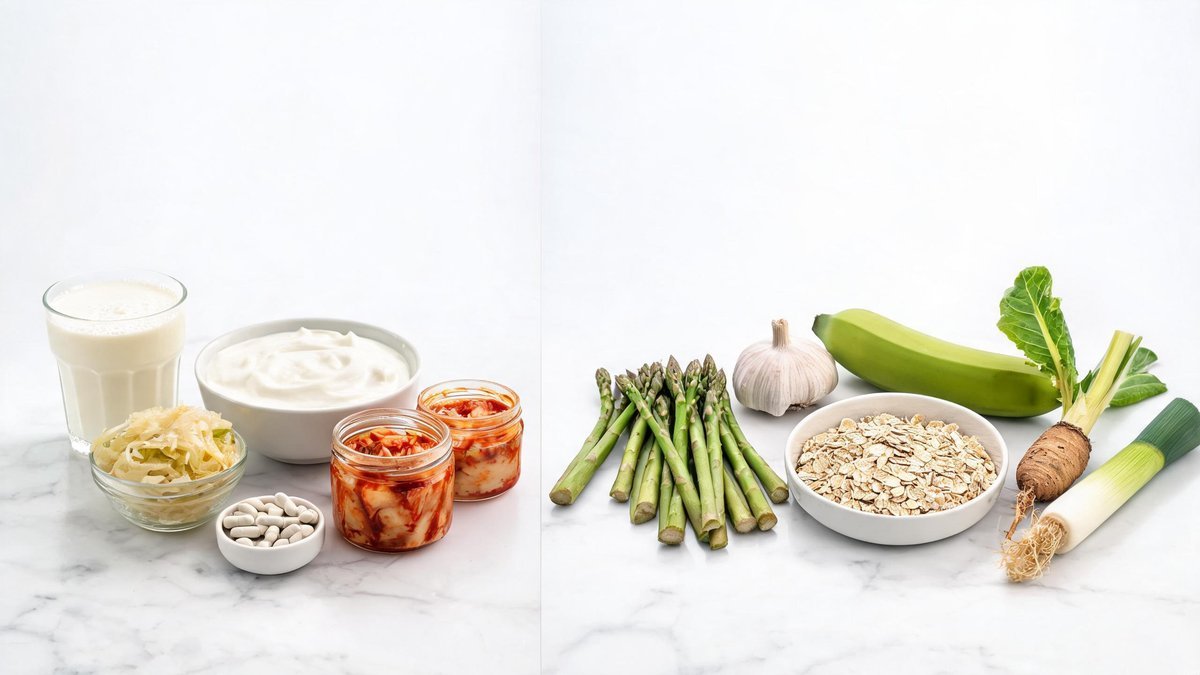
Probiotics are live beneficial bacteria that take up residence in your gut. You'll find them in fermented foods like yogurt, kefir, and sauerkraut. Prebiotics, on the other hand, are types of fiber that feed those good bacteria. Think of prebiotics as the fertilizer that helps your gut garden thrive. The International Scientific Association for Probiotics and Prebiotics defines a prebiotic as a substrate that is selectively used by host microorganisms conferring a health benefit. That's a mouthful, but the takeaway is simple: probiotics are the good guys, and prebiotics are their lunch.
You can't lump them together just because they sound similar. A 2021 survey found that 60% of adults have heard of probiotics, yet only 22% can correctly identify a prebiotic food. You don't want to be in that 22%. Understanding this difference is the first step toward building a stronger digestive system. When you consume both regularly, you're creating a synergy that supports everything from immunity to mood.
Practical takeaway: Start by checking your kitchen for at least one probiotic and one prebiotic item. If you have yogurt and a banana, you're already on the right track.
2. How Probiotics Work in Your Gut
Probiotics don't just pass through quietly. They actively compete with harmful bacteria for space and resources along your intestinal lining. When you eat a spoonful of kimchi or drink a kefir smoothie, you're delivering a fresh shipment of microbial allies. These live cultures can produce substances like short-chain fatty acids that lower the pH of your colon, making it harder for pathogens to survive. A 2022 meta-analysis showed that consistent probiotic intake reduced the duration of acute diarrhea by an average of 25 hours in children and adults. That's a full day of discomfort you might avoid.
Nutrition Science: The glycemic index of white bread is 75, while lentils score 32. Choosing low-GI carbs keeps blood sugar stable and reduces the risk of type 2 diabetes by 20%.
Your gut is home to roughly 100 trillion microorganisms, outnumbering your human cells 10 to 1. Probiotics help keep that massive community balanced. When that balance tips—say, after a round of antibiotics—you might notice bloating, irregular bowel movements, or low energy. By reintroducing beneficial strains like Lactobacillus and Bifidobacterium, you're essentially crowd-controlling the troublemakers. It's not a quick fix, though. Strains need time to colonize, so consistency matters more than a one-off megadose.
Practical takeaway: Choose a fermented food with multiple strains and eat it daily for at least three weeks to see how your digestion responds. A small cup of plain yogurt or a few forkfuls of sauerkraut can be a simple experiment.
3. Why Prebiotics Matter Just as Much
If you load up on probiotics but ignore prebiotics, you're essentially inviting guests to a party without serving any food. Prebiotics are non-digestible carbohydrates—think inulin, fructooligosaccharides, and resistant starch—that travel intact to your colon where beneficial bacteria ferment them. That fermentation process produces butyrate, a compound that fuels the cells lining your colon and helps maintain a strong gut barrier. Research published in the Journal of Nutrition found that increasing prebiotic fiber to just 10 grams per day improved calcium absorption by 15% in adolescents. You don't need a ton to start seeing benefits.
You'll naturally find prebiotics in foods like garlic, onions, leeks, asparagus, and slightly underripe bananas. These ingredients are easy to sneak into soups, stir-fries, and even smoothies. When you feed your gut bacteria the right fibers, you're helping them multiply and produce anti-inflammatory signals that travel beyond your belly. A healthier gut barrier can mean less brain fog, fewer skin flare-ups, and steadier energy throughout the day. Yet, the average American consumes only half the recommended fiber, missing a huge opportunity to nourish their internal ecosystem.
Practical takeaway: Toss a chopped leek or a handful of asparagus into your next pasta or omelet. That one addition can feed trillions of gut microbes without changing your routine much.
4. Food Sources: Where to Get Each
Navigating the grocery store gets easier when you have a clear list of probiotic and prebiotic heavy hitters. For probiotics, reach for fermented dairy like yogurt and kefir, or non-dairy options like kombucha, miso, tempeh, and traditional brine-cured pickles (not the vinegar-soaked kind that lacks live cultures). One cup of kefir can deliver up to 30 different strains and about 12 billion live organisms. That's a potent daily dose without any pills.
Prebiotic stars are often hiding in your produce drawer. Raw chicory root is one of the most concentrated sources, packing nearly 65 grams of inulin per 100 grams. You probably won't munch on chicory root, but you can easily rely on garlic (1.8 grams of prebiotic fiber per clove), cooked onions (1.2 grams per half-cup), and dandelion greens (3.5 grams per cup). Even legumes like chickpeas and lentils provide resistant starch that feeds your microbes after they cool. The key is variety—different fibers fuel different bacterial species.
Practical takeaway: Pair a probiotic food with a prebiotic one in the same meal. For example, top oatmeal (a resistant starch source when cooled) with kefir, or add sautéed onions to a tempeh stir-fry. Your gut gets the full package that way.
5. Should You Take Supplements?
Supplements seem like an effortless shortcut, but they aren't automatically better than food. A 2023 review of 45 commercial probiotic supplements found that only 38% contained the strains and colony-forming units (CFUs) claimed on the label. You're gambling when you don't scrutinize the label. Look for products that list the genus, species, and strain (like Lactobacillus rhamnosus GG), a guaranteed CFU count through the expiration date—not just at time of manufacture—and third-party verification seals from groups like USP or NSF. If the bottle doesn't disclose the specific strains or simply says “proprietary blend,” put it back on the shelf.
Prebiotic supplements, often labeled as inulin or FOS powder, can be useful if your diet is consistently low in fiber. Start with a small dose—3 to 5 grams daily—because a sudden influx can lead to gas and bloating that makes you want to quit. Food sources still win because they come packaged with vitamins, antioxidants, and water that aid digestion. But if you're recovering from antibiotics or dealing with chronic digestive issues, a targeted probiotic supplement under a healthcare provider's guidance might speed up the rebalancing act.
Practical takeaway: Don't buy a supplement just because an influencer mentioned it. Check for strain specificity, third-party testing, and a clear CFU guarantee. If you're generally healthy, spend your money on high-quality fermented and fiber-rich foods instead.
6. Building a Gut-Friendly Plate Every Day
You don't need a complete kitchen overhaul to support your microbiome. Small swaps add up fast. Try starting your morning with overnight oats mixed with a spoonful of flaxseed (both prebiotic sources) and a dollop of plain yogurt. At lunch, toss chickpeas into your salad and dress it with apple cider vinegar, which contains modest probiotic benefits from the “mother.” For dinner, grill salmon alongside roasted Jerusalem artichokes—sometimes called sunchokes—which offer about 2 grams of prebiotic fiber per 100-gram serving.
Consistency trumps perfection here. A study tracking 1,800 people found that those who ate at least 30 different plant types per week had more diverse gut microbiomes than those who stuck to fewer than 10. Diversity of fiber feeds diverse bacteria, and that diversity is a hallmark of a resilient gut. You don't have to count every plant—just aim to add one new fruit, vegetable, legume, or whole grain each week. Your taste buds and your microbes will both get a pleasant surprise.
Practical takeaway: Pick two days a week to eat strictly prebiotic-probiotic paired meals. Think miso soup with green onions and tofu, or a smoothie with kefir, spinach, and a frozen banana. Notice how your energy and digestion feel after two weeks.
Building a healthy eating pattern does not require drastic changes or eliminating entire food groups. Small, consistent adjustments produce results that last far longer than crash diets or extreme elimination protocols. The most effective approach is to add nutritious foods to your diet rather than focusing on what to remove. A handful of leafy greens added to your lunch, an extra serving of vegetables at dinner, or swapping refined grains for whole grains at one meal per day creates momentum that naturally displaces less nutritious options without the deprivation mindset that undermines most dietary changes. Over weeks and months, these micro-habits compound into meaningful improvements in energy levels, digestion, and overall health markers.
Meal preparation is the single most effective strategy for maintaining a healthy diet during a busy week. Setting aside two to three hours on a Sunday to wash and chop vegetables, cook a batch of whole grains, portion out proteins, and prepare a simple dressing or sauce eliminates the daily decision fatigue that leads to takeout and convenience foods. Invest in a few good-quality glass containers that allow you to see contents at a glance. Focus on components rather than complete meals -- having prepped ingredients on hand lets you assemble different combinations throughout the week without eating the same thing every day. The time invested in meal prep pays back dividends in reduced stress, better food choices, and significant cost savings.
Understanding the science behind nutrition helps separate evidence-based recommendations from the endless stream of diet trends and marketing claims. The quality of research matters enormously -- randomized controlled trials carry far more weight than observational studies, and systematic reviews that pool data from multiple studies provide the most reliable guidance. Be particularly skeptical of studies funded by food manufacturers or organizations with a vested interest in the outcome. A healthy dose of scientific literacy serves you well in navigating conflicting nutrition advice. When in doubt, the fundamentals are remarkably consistent across decades of research: eat plenty of vegetables and fruits, choose whole grains over refined, prioritize plant and fish proteins, and limit added sugars and ultra-processed foods.