Table of Contents
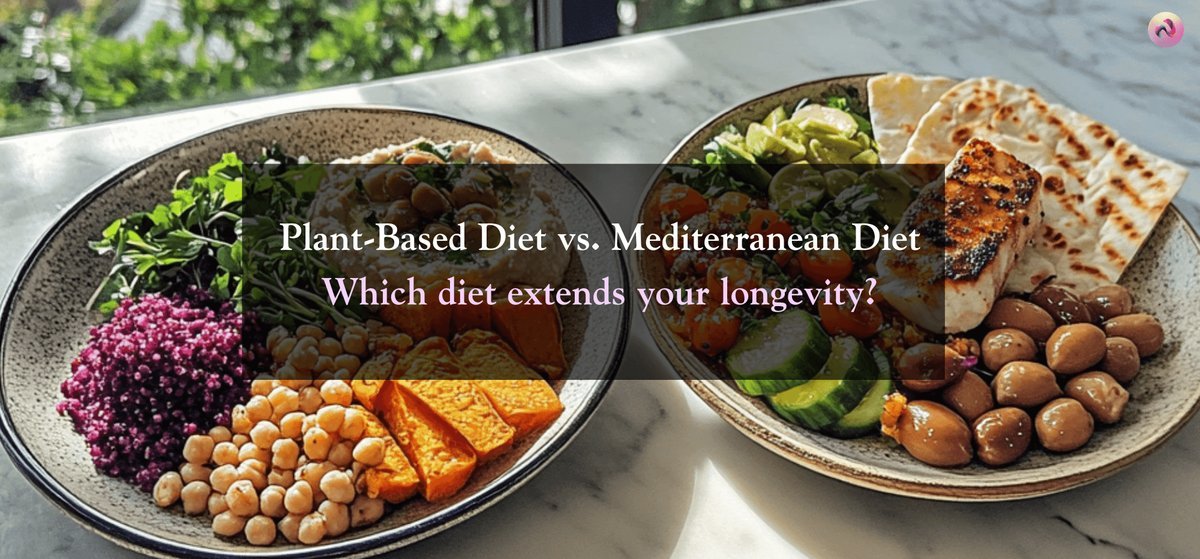
When nutrition experts are asked to name the healthiest eating patterns, two consistently top the list: the Mediterranean diet and the plant-based diet. Both are backed by decades of research linking them to longer lifespans, lower disease risk, and better overall health. But they take different approaches — and knowing which one fits your lifestyle, preferences, and goals can make all the difference.
In this comprehensive comparison, we'll look at what each diet includes, their proven benefits, potential drawbacks, and how to decide between them.
What Is the Mediterranean Diet?
The Mediterranean diet is inspired by the traditional eating patterns of countries bordering the Mediterranean Sea — particularly Greece, Italy, and southern France in the 1960s. Unlike many modern "diets," it's less a strict set of rules and more a lifestyle pattern.
Key foods emphasized:
- Abundant vegetables, fruits, whole grains, legumes, nuts, and seeds
- Olive oil as the primary fat source
- Moderate amounts of fish and seafood (at least twice weekly)
- Moderate amounts of poultry, eggs, and dairy (especially yogurt and cheese)
- Limited red meat (a few times per month)
- Red wine in moderation (optional, with meals)
- Herbs and spices instead of salt for flavoring
What Is a Plant-Based Diet?
A plant-based diet centers on foods derived from plants. This exists on a spectrum — from flexitarian (mostly plants with occasional animal products) to fully vegan (no animal products at all). The key distinction: a plant-based diet emphasizes whole plant foods, not processed alternatives.
Key foods emphasized:
- All vegetables, fruits, whole grains, legumes, nuts, and seeds
- Minimally processed plant foods
- Plant-based proteins (tofu, tempeh, lentils, chickpeas)
- Plant-based fats (avocado, nuts, seeds, olive oil)
Foods minimized or excluded:
- All animal products (for vegan) or most (for vegetarian/flexitarian)
- Highly processed foods, even if plant-based
Head-to-Head Comparison
Heart Health
Winner: Both — with a slight edge to Mediterranean. The PREDIMED study, one of the largest dietary intervention trials ever conducted, found that the Mediterranean diet reduced the risk of major cardiovascular events by approximately 30%. Plant-based diets also show strong heart benefits, with research linking them to lower blood pressure, LDL cholesterol, and reduced heart disease risk. However, the Mediterranean diet has more long-term clinical trial data specifically on heart outcomes.
Weight Management
Winner: Plant-based (whole-food). Plant-based diets tend to be lower in calorie density and higher in fiber, which promotes satiety. A 2016 meta-analysis found that people assigned to vegetarian diets lost significantly more weight than those on non-vegetarian diets without calorie restriction. That said, both diets outperform the standard Western diet for weight control.
Diabetes Prevention
Winner: Plant-based. Large cohort studies consistently show that people following plant-based diets have a significantly lower risk of developing type 2 diabetes — up to 34% lower in some studies. The Mediterranean diet also reduces diabetes risk, but the effect size is slightly smaller in the research literature.
Cancer Risk Reduction
Winner: Plant-based. The World Health Organization classifies processed meat as a Group 1 carcinogen and red meat as a Group 2A carcinogen. A diet that minimizes or eliminates these foods has a theoretical advantage for cancer prevention, and observational studies support this. The Mediterranean diet — which limits but doesn't eliminate red meat — still offers significant protection compared to a typical Western diet.
Sustainability and Environmental Impact
Winner: Plant-based. Plant-based diets have a substantially lower environmental footprint — producing fewer greenhouse gas emissions, using less water, and requiring less land than diets containing animal products. The Mediterranean diet is more sustainable than a typical meat-heavy Western diet but trails behind fully plant-based eating on environmental metrics.
Practicality and Adherence
Winner: Mediterranean. The Mediterranean diet's flexibility makes it easier for many people to follow long-term. It doesn't eliminate any food group entirely, which reduces the social and practical challenges of eating out, traveling, or family meals. Plant-based diets require more planning and can be more restrictive, which leads to lower long-term adherence in some studies.
Potential Drawbacks
Mediterranean Diet:
- Higher cost (fish, olive oil, nuts are premium items)
- Includes alcohol (red wine), which isn't appropriate for everyone
- Requires cooking skills for traditional preparation
Plant-Based Diet:
- Risk of nutrient deficiencies without planning (B12, iron, zinc, omega-3s, calcium)
- May require supplementation (B12 is essential for vegans)
- Social challenges when dining out or at gatherings
- "Vegan junk food" is still junk food — a plant-based label doesn't guarantee health
Key Insight: Both diets work because they share common foundations — abundant plant foods, whole grains, healthy fats, and minimal processed foods. The differences are in the details.
You Don't Have to Choose: The Best of Both
Many nutrition experts recommend combining elements of both diets — essentially a plant-forward Mediterranean approach. This hybrid pattern emphasizes:
- A foundation of vegetables, fruits, whole grains, legumes, nuts, and seeds (plant-based strength)
- Olive oil as the primary added fat (Mediterranean strength)
- Fish and seafood 2-3 times per week (Mediterranean strength)
- Limited or no red and processed meats (plant-based strength)
- Herbs, spices, and mindful eating (Mediterranean strength)
- Flexibility that makes long-term adherence realistic
How to Decide
Ask yourself these questions:
- How important is flexibility to you? If you want maximum flexibility, go Mediterranean. If you're motivated by ethical or environmental concerns, go plant-based.
- How do you handle restriction? If strict rules feel empowering, plant-based works. If they trigger rebellion, Mediterranean is the better fit.
- What's your budget? Both can be affordable, but a plant-based diet built on beans, lentils, and seasonal produce is typically the most budget-friendly.
- Do you have any existing nutrient deficiencies? If you're low in iron or B12, a plant-based diet requires more careful planning or supplementation.
The Bottom Line
The "best" diet is the one you can maintain consistently. Both the Mediterranean and plant-based diets are vast improvements over the standard Western diet. If one resonates more with your values, tastes, and lifestyle, that's the right choice for you. And if you can't decide, the hybrid approach — a plant-forward Mediterranean diet — gives you the best of both worlds.
Building a healthy eating pattern does not require drastic changes or eliminating entire food groups. Small, consistent adjustments produce results that last far longer than crash diets or extreme elimination protocols. The most effective approach is to add nutritious foods to your diet rather than focusing on what to remove. A handful of leafy greens added to your lunch, an extra serving of vegetables at dinner, or swapping refined grains for whole grains at one meal per day creates momentum that naturally displaces less nutritious options without the deprivation mindset that undermines most dietary changes. Over weeks and months, these micro-habits compound into meaningful improvements in energy levels, digestion, and overall health markers.
Meal preparation is the single most effective strategy for maintaining a healthy diet during a busy week. Setting aside two to three hours on a Sunday to wash and chop vegetables, cook a batch of whole grains, portion out proteins, and prepare a simple dressing or sauce eliminates the daily decision fatigue that leads to takeout and convenience foods. Invest in a few good-quality glass containers that allow you to see contents at a glance. Focus on components rather than complete meals -- having prepped ingredients on hand lets you assemble different combinations throughout the week without eating the same thing every day. The time invested in meal prep pays back dividends in reduced stress, better food choices, and significant cost savings.
Understanding the science behind nutrition helps separate evidence-based recommendations from the endless stream of diet trends and marketing claims. The quality of research matters enormously -- randomized controlled trials carry far more weight than observational studies, and systematic reviews that pool data from multiple studies provide the most reliable guidance. Be particularly skeptical of studies funded by food manufacturers or organizations with a vested interest in the outcome. A healthy dose of scientific literacy serves you well in navigating conflicting nutrition advice. When in doubt, the fundamentals are remarkably consistent across decades of research: eat plenty of vegetables and fruits, choose whole grains over refined, prioritize plant and fish proteins, and limit added sugars and ultra-processed foods.
Mindful eating transforms your relationship with food by shifting focus from rigid rules to genuine awareness. Paying attention to hunger and fullness cues, eating without distractions like phones or television, and savoring each bite allows your body's natural regulation systems to function correctly. Research shows that mindful eating practices reduce binge eating episodes, improve digestion, and lead to more satisfying meals with smaller portions. Start with a simple practice: before each meal, take three deep breaths and observe the colors, aromas, and textures on your plate. Eat slowly, putting your fork down between bites, and pause midway through to assess your fullness level. These small adjustments rewire deeply ingrained eating habits over time.
Eating well on a budget is entirely achievable with strategic planning and some simple techniques. Frozen vegetables and fruits are just as nutritious as fresh -- often more so, since they are flash-frozen at peak ripeness -- and cost significantly less while lasting far longer. Dried beans and lentils cost pennies per serving compared to canned versions and allow you to control sodium. Whole grains purchased in bulk from the bins section of your grocery store cost a fraction of packaged alternatives. Seasonal produce is both cheaper and more flavorful than out-of-season imports. Planning your weekly menu around what is on sale rather than deciding what you want and hoping for a deal can cut your grocery bill by 20 to 30 percent without sacrificing nutritional quality.
Gut health has emerged as one of the most important areas of nutritional science, with research revealing that the trillions of bacteria living in your digestive tract influence everything from immune function to mood regulation to weight management. Feeding your gut microbiome a diverse range of fiber sources -- soluble fiber from oats and beans, insoluble fiber from vegetables and whole grains, and prebiotic fiber from garlic, onions, and bananas -- supports a healthy and diverse bacterial ecosystem. Fermented foods like yogurt, kefir, sauerkraut, and kimchi introduce beneficial probiotics directly. Limiting artificial sweeteners, emulsifiers, and excessive alcohol helps protect the gut lining from inflammation and permeability issues that can trigger broader health problems.
How you cook your food matters almost as much as what you cook. High-heat methods like frying and grilling at very high temperatures can create advanced glycation end products and heterocyclic amines that promote inflammation and may increase cancer risk. Gentler cooking methods like steaming, poaching, braising, and stir-frying at moderate temperatures preserve more nutrients and produce fewer harmful compounds. When you do grill, marinating meat beforehand in an acidic mixture containing vinegar, citrus juice, or wine can reduce the formation of potentially carcinogenic compounds by as much as 90 percent. Using olive oil for low-to-medium heat cooking and reserving high-smoke-point oils like avocado oil for searing gives you the nutritional benefits of quality fats without degrading their beneficial compounds through overheating.