Table of Contents
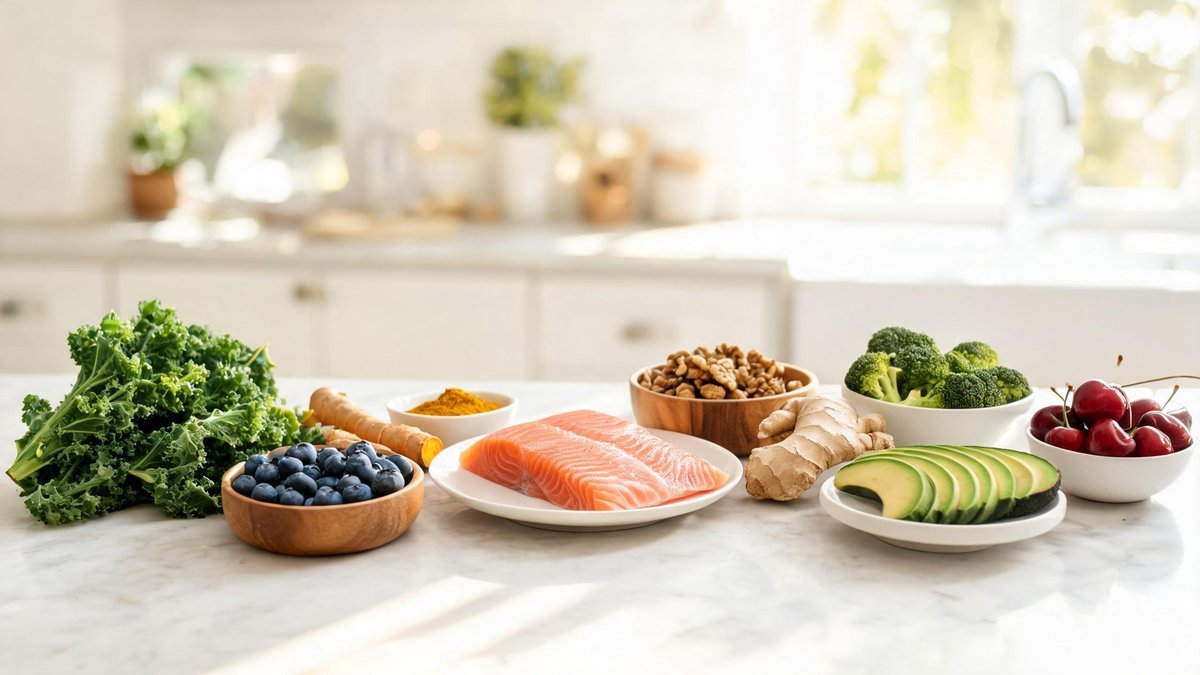
- Best Anti-Inflammatory Foods to Add to Your Diet
- 1. Berries: Tiny Fruits That Pack a Powerful Punch
- 2. Fatty Fish: Your Omega-3 Shortcut to Soothing Joints
- 3. Dark Leafy Greens: The Nutrient-Dense Inflammation Fighters
- 4. Nuts and Seeds: Crunchy Allies Against Chronic Inflammation
- 5. Extra Virgin Olive Oil: The Mediterranean Secret Weapon
- 6. Turmeric and Ginger: Spice Up Your Defense
- Bringing It All Together: Your Anti-Inflammatory Eating Pattern
Best Anti-Inflammatory Foods to Add to Your Diet
Chronic inflammation is not just about swollen joints or seasonal allergies. It is a silent driver behind heart disease, type 2 diabetes, and even depression. The good news is that what you eat can either fuel the inflammatory fire or help put it out. Adding specific anti-inflammatory foods to your daily routine is one of the most practical steps you can take for long-term health. Research consistently shows that dietary patterns rich in these foods reduce inflammatory markers like C-reactive protein and interleukin-6. This guide walks through the six best anti-inflammatory foods and explains how to make them work for you, whether you are cooking for yourself or feeding a family.
1. Berries: Tiny Fruits That Pack a Powerful Punch
Berries are loaded with polyphenols called anthocyanins that directly dial down your body's inflammatory response. These compounds give berries their deep red, blue, and purple colors and act as potent antioxidants. In a 2020 randomized trial, adults who ate one cup of mixed berries every day saw their CRP levels drop by 12 percent after just eight weeks. That reduction is larger than what some people achieve from a standard anti-inflammatory diet alone. You do not need to overcomplicate this. Toss a handful of fresh or frozen blueberries into your morning oatmeal, blend them into a smoothie, or simply snack on them straight from the container. The fiber and vitamin C in berries provide additional benefits, but the anthocyanins do the heavy lifting. Keep frozen mixed berries in your freezer because they are picked at peak ripeness and cost a fraction of the price of fresh berries during off-season months. Different berry varieties offer slightly different polyphenol profiles, so rotating between blueberries, strawberries, raspberries, and blackberries maximizes the range of protective compounds you consume.
2. Fatty Fish: Your Omega-3 Shortcut to Soothing Joints
Cold-water fish like salmon, mackerel, sardines, and anchovies deliver the long-chain omega-3s EPA and DHA that actively reduce inflammatory cytokine production. One clinical study followed 90 people with rheumatoid arthritis over 12 weeks. Those who ate 4 ounces of salmon twice per week recorded a 22 percent reduction in joint pain scores compared to the control group. You need at least two servings per week to hit the therapeutic threshold. Grill a fillet with lemon and herbs, toss canned sardines into a salad, or whip up salmon cakes for a quick weeknight dinner. If fish is not part of your diet, a high-quality fish oil supplement can work, but aim for a combined EPA and DHA dose of at least 500 milligrams per day. Your body cannot produce these essential fats on its own, so you must obtain them consistently from food or supplements. For pregnant women and growing children, adequate DHA intake is especially critical for brain development and visual function.
Nutrition Science: A Tufts University study found that cooking with cast iron can increase the iron content of food by 2-20mg per serving — especially beneficial for the 10 million Americans with iron deficiency.
3. Dark Leafy Greens: The Nutrient-Dense Inflammation Fighters
Spinach, kale, Swiss chard, and collard greens are packed with vitamin K, magnesium, and antioxidants like quercetin and kaempferol that block pro-inflammatory signaling pathways. An observational study of over 1,400 women showed that those who ate more than 1.5 cups of leafy greens daily had 30 percent lower levels of inflammatory biomarkers compared to those who ate less than half a cup. The same effect holds for men in similar nutrition surveys. You can incorporate these greens into almost any meal. Wilt spinach into pasta sauce, add kale to your morning egg scramble, or use sturdy chard leaves as a wrap instead of tortillas. Sauteing them with garlic and a splash of extra virgin olive oil takes three minutes and transforms their texture from tough to silky. Rotating between different types of greens ensures a broader range of nutrients because each variety offers a distinct phytochemical profile.
For the most benefit, eat your greens with a source of fat like olive oil or avocado. The anti-inflammatory compounds in leafy greens are fat-soluble, meaning your body absorbs them more effectively when paired with healthy fats. A simple salad of massaged kale with lemon juice, olive oil, and shaved parmesan delivers more anti-inflammatory power than the same greens eaten plain. Adding a handful of fresh herbs like parsley, cilantro, or basil to your greens further boosts the polyphenol content without adding calories.
4. Nuts and Seeds: Crunchy Allies Against Chronic Inflammation
Walnuts, flaxseeds, chia seeds, and almonds provide a plant-based dose of alpha-linolenic acid, a type of omega-3 that, while less potent than EPA and DHA, still contributes to cooling systemic inflammation. A controlled trial found that eating 30 grams of walnuts daily, roughly a quarter cup, cut high-sensitivity CRP by 11 percent over 12 weeks. The fiber and healthy fats in nuts and seeds also support a healthy gut microbiome, which is another layer of protection against low-grade inflammation. Keep a small jar of mixed nuts on your desk for an afternoon snack, sprinkle ground flaxseed over yogurt or oatmeal, or stir chia seeds into your overnight oats. The combination of protein, fiber, and fat in nuts makes them exceptionally satiating, which can help with weight management. Choose raw or dry-roasted nuts without sugary coatings or excessive salt to avoid undoing their anti-inflammatory benefits.
5. Extra Virgin Olive Oil: The Mediterranean Secret Weapon
High-quality extra virgin olive oil contains oleocanthal, a phenolic compound that irritates your throat slightly when you swallow it. That throat sensation is actually a positive sign because oleocanthal blocks COX enzymes in the same way that ibuprofen does, only without the stomach irritation and digestive side effects. Research shows that consuming 3 to 4 tablespoons of high-phenol olive oil daily can decrease inflammatory markers by 20 percent. Drizzle it over roasted vegetables, whisk it into vinaigrettes with balsamic vinegar, or simply dip warm whole-grain bread into it as a healthier appetizer. Look for cold-pressed, early harvest bottles with a peppery finish because they contain the highest polyphenol counts. Store olive oil in a dark, cool cabinet away from the stove because heat and light degrade those delicate phenolic compounds. The monounsaturated fats in olive oil also contribute to improved cholesterol profiles and heart health.
6. Turmeric and Ginger: Spice Up Your Defense
Turmeric's active ingredient, curcumin, blocks NF-kB, a protein complex that acts as a master switch for turning on inflammatory genes throughout the body. Ginger works synergistically by lowering prostaglandin synthesis through a different biochemical pathway. A meta-analysis of 15 randomized controlled trials found that curcumin supplementation reduced pain and inflammation scores by 30 percent in people with osteoarthritis. That level of relief is comparable to some over-the-counter pain medications but without the gastrointestinal side effects. You can incorporate both spices into everyday cooking with minimal effort. Grate fresh turmeric and ginger into stir-fries, simmer them in soups and curries, or brew a soothing tea with lemon and a pinch of black pepper. That pinch of pepper is crucial because piperine, the compound that gives black pepper its heat, boosts curcumin absorption by up to 2,000 percent. If you prefer supplements, choose formulations that include piperine or a liposomal delivery system to ensure adequate bioavailability.
Bringing It All Together: Your Anti-Inflammatory Eating Pattern
You do not need to eat all six of these foods every single day to reduce inflammation. The goal is to build a weekly pattern that includes as many as possible. Aim for berries with breakfast three or four times per week, fatty fish for dinner twice per week, leafy greens as a daily side dish, a small handful of nuts as your afternoon snack, olive oil as your primary cooking fat, and turmeric or ginger in at least one meal per day. Over time, these consistent choices shift your body away from chronic low-grade inflammation toward a healthier baseline. Combined with regular physical activity, adequate sleep, and stress management, an anti-inflammatory diet is one of the most powerful tools you have for preventing chronic disease and maintaining vitality as you age.
Plan your weekly menu around these principles rather than treating them as occasional additions. Batch-cook a pot of quinoa or farro at the start of the week to serve as a base for greens and salmon. Keep frozen berries and spinach in the freezer so you always have anti-inflammatory options available, even when fresh produce runs low. Prep a jar of turmeric-ginger dressing on Sunday to drizzle over grains and vegetables throughout the week. The key is reducing the effort required to make the right choice. When your kitchen is stocked with anti-inflammatory staples, eating for lower inflammation becomes automatic rather than something you have to think about at every meal.
Building a healthy eating pattern does not require drastic changes or eliminating entire food groups. Small, consistent adjustments produce results that last far longer than crash diets or extreme elimination protocols. The most effective approach is to add nutritious foods to your diet rather than focusing on what to remove. A handful of leafy greens added to your lunch, an extra serving of vegetables at dinner, or swapping refined grains for whole grains at one meal per day creates momentum that naturally displaces less nutritious options without the deprivation mindset that undermines most dietary changes. Over weeks and months, these micro-habits compound into meaningful improvements in energy levels, digestion, and overall health markers.