Table of Contents
- Why does high cholesterol matter for your heart?
- Which foods can help lower LDL cholesterol?
- How do oats and whole grains reduce cholesterol?
- What role do healthy fats like avocado and nuts play?
- Can plant sterols and stanols make a difference?
- How can you build a heart-healthy diet without feeling deprived?
Why does high cholesterol matter for your heart?
High cholesterol is a silent threat to your cardiovascular health. According to the Centers for Disease Control and Prevention (CDC), nearly 94 million U.S. adults have total cholesterol levels above 200 mg/dL, which doubles the risk of heart disease. When low-density lipoprotein (LDL) cholesterol builds up in your arteries, it forms plaque that narrows vessels, reduces blood flow, and can lead to heart attack or stroke. The good news: diet plays a powerful role in managing these numbers. Research shows that swapping just 5% of your saturated fat intake with unsaturated fats can lower LDL by 8-10%. You don't need restrictive fads--just smart, science-backed food choices.
In this guide, we tackle the most common questions about using food to naturally lower cholesterol. You'll learn which foods work, how to incorporate them, and how to build a sustainable heart-healthy eating pattern. No gimmicks, just real-world strategies drawn from clinical studies and dietary guidelines.
Which foods can help lower LDL cholesterol?
The most powerful cholesterol-lowering foods fall into five categories: whole grains, nuts, fatty fish, legumes, and fruits rich in soluble fiber. A landmark study published in the Journal of the American Medical Association found that a portfolio diet combining oats, almonds, soy protein, and plant sterols reduced LDL cholesterol by an average of 20-25% in just four weeks--comparable to a low-dose statin. The key is consistency: aim to include at least two of these categories at every meal.
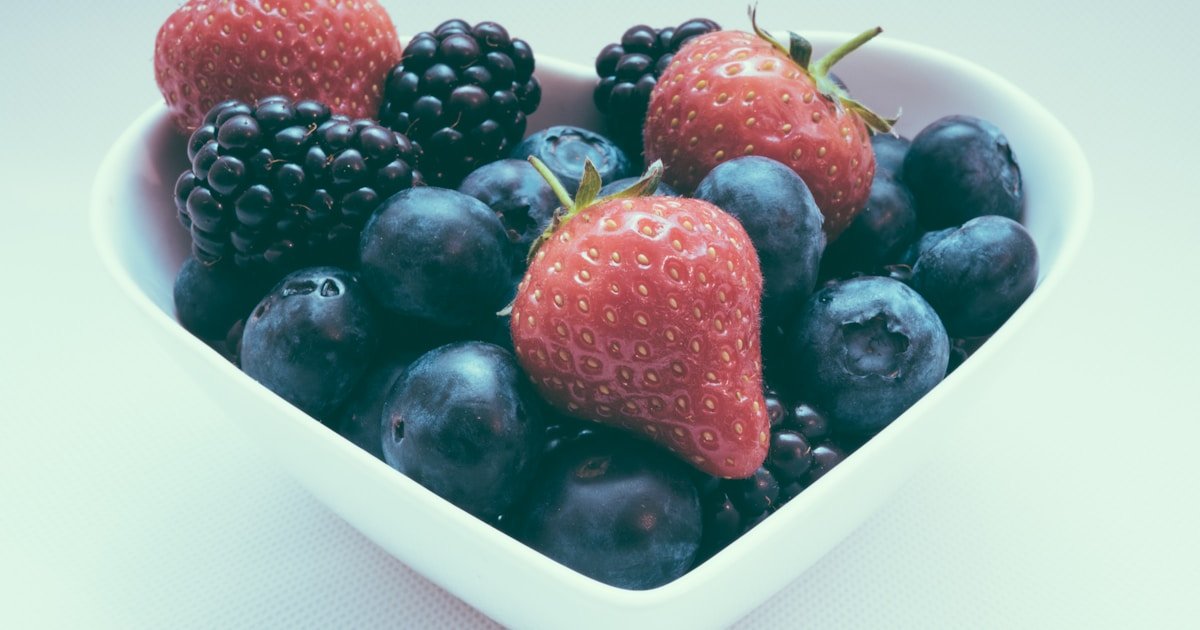
Start your day with a bowl of oatmeal topped with berries and walnuts. Oats contain beta-glucan, a soluble fiber that traps cholesterol-rich bile acids in your gut and escorts them out of your body. According to the U.S. Food and Drug Administration, consuming 3 grams of beta-glucan daily from whole oats can lower cholesterol by 5-10%. Just one cup of cooked oats provides about 1.5 grams. Pair it with a handful of almonds (another 1.5 grams of fiber) and you've hit the mark.
According to the American Heart Association, reducing LDL cholesterol by just 10% can lower your risk of cardiovascular events by up to 20%. Small dietary changes add up.
How do oats and whole grains reduce cholesterol?
Soluble fiber works like a sponge. When you eat oats, barley, or psyllium husk, the gel-like soluble fiber binds to bile acids in your small intestine. Your liver then pulls more cholesterol from your blood to make new bile acids, effectively lowering your LDL levels. A meta-analysis of 22 trials found that eating 3 grams or more of oat beta-glucan daily reduced LDL cholesterol by an average of 0.25 mmol/L (about 9.7 mg/dL). That may sound modest, but over months it translates to a 15-20% reduction in heart attack risk.
But not all whole grains are equal. Refined grains like white bread or white rice have little soluble fiber. Stick with steel-cut oats, barley (which has twice the beta-glucan of oats), rye, and quinoa. For maximum benefit, combine whole grains with a source of healthy fat--like a slice of whole-grain toast with avocado--which further helps reduce inflammation and improve cholesterol particle quality.
What role do healthy fats like avocado and nuts play?
Healthy unsaturated fats--especially monounsaturated and polyunsaturated--are cholesterol fighters. A 2020 study in the Journal of the American Heart Association found that eating one avocado per day for 6 months lowered LDL cholesterol by 8.6 mg/dL more than a standard low-fat diet. Avocados are rich in monounsaturated fat and plant sterols, which block cholesterol absorption in the gut. Similarly, a daily handful of nuts (about 1.5 ounces) can reduce LDL by up to 7%. Walnuts, in particular, are packed with alpha-linolenic acid (ALA), a plant-based omega-3 that also lowers triglycerides.
How to incorporate them? Replace butter or cream cheese with avocado spread on toast. Snack on a small handful of unsalted almonds or pistachios. Drizzle extra-virgin olive oil over salads and roasted vegetables. One tablespoon of olive oil contains about 10 grams of monounsaturated fat and antioxidants (polyphenols) that protect LDL particles from oxidation--a key step in plaque formation. Aim for 2-3 servings of healthy fats daily, but watch portions: nuts and oils are calorie-dense.
Can plant sterols and stanols make a difference?
Plant sterols and stanols are naturally occurring compounds that structurally resemble cholesterol. When you consume them, they compete with dietary and biliary cholesterol for absorption in your intestines, effectively blocking up to 50% of cholesterol uptake. The result: LDL levels drop. Clinical trials show that consuming 2 grams of plant sterols or stanols per day can lower LDL cholesterol by 8-15% within 2-3 weeks. That's like adding a second weapon to your diet arsenal.
Where do you find them? Food manufacturers fortify products like orange juice, yogurt drinks, margarine spreads, and granola bars with sterols. However, whole foods also provide modest amounts: unrefined vegetable oils (especially corn and canola), nuts, seeds (like sesame and sunflower), and legumes. For the 2-gram target, you'd need about 1.5 cups of cooked soybeans or 3 tablespoons of wheat germ. Fortified foods make it easier, but read labels to avoid added sugars or unhealthy fats. The American Heart Association recommends plant sterols as part of a comprehensive heart-healthy diet, not a replacement for medication.
How can you build a heart-healthy diet without feeling deprived?
The biggest barrier people face is the belief that heart-healthy eating means bland, unsatisfying meals. That's a myth. In fact, the same foods that lower cholesterol--like berries, dark chocolate (70% cocoa or higher), and spices such as turmeric and ginger--can be delicious and indulgent. The key is to build a flexible template: fill half your plate with non-starchy vegetables, a quarter with lean protein (fish, beans, tofu), and a quarter with whole grains. Add a source of healthy fat at every meal, and snack on fruit and nuts.
Research from the National Lipid Association emphasizes that dietary patterns matter more than any single food. The Mediterranean diet, rich in olive oil, fish, nuts, whole grains, and legumes, has been shown to reduce cardiovascular events by 30% in high-risk individuals. You don't have to go cold turkey on your favorite foods. Start with one swap: replace butter with olive oil, choose oatmeal instead of sugary cereal, or snack on almonds instead of chips. Within eight weeks, many people see a 10-15% drop in LDL. Your heart--and your taste buds--will thank you.
Building a healthy eating pattern does not require drastic changes or eliminating entire food groups. Small, consistent adjustments produce results that last far longer than crash diets or extreme elimination protocols. The most effective approach is to add nutritious foods to your diet rather than focusing on what to remove. A handful of leafy greens added to your lunch, an extra serving of vegetables at dinner, or swapping refined grains for whole grains at one meal per day creates momentum that naturally displaces less nutritious options without the deprivation mindset that undermines most dietary changes. Over weeks and months, these micro-habits compound into meaningful improvements in energy levels, digestion, and overall health markers.
Meal preparation is the single most effective strategy for maintaining a healthy diet during a busy week. Setting aside two to three hours on a Sunday to wash and chop vegetables, cook a batch of whole grains, portion out proteins, and prepare a simple dressing or sauce eliminates the daily decision fatigue that leads to takeout and convenience foods. Invest in a few good-quality glass containers that allow you to see contents at a glance. Focus on components rather than complete meals -- having prepped ingredients on hand lets you assemble different combinations throughout the week without eating the same thing every day. The time invested in meal prep pays back dividends in reduced stress, better food choices, and significant cost savings.
Understanding the science behind nutrition helps separate evidence-based recommendations from the endless stream of diet trends and marketing claims. The quality of research matters enormously -- randomized controlled trials carry far more weight than observational studies, and systematic reviews that pool data from multiple studies provide the most reliable guidance. Be particularly skeptical of studies funded by food manufacturers or organizations with a vested interest in the outcome. A healthy dose of scientific literacy serves you well in navigating conflicting nutrition advice. When in doubt, the fundamentals are remarkably consistent across decades of research: eat plenty of vegetables and fruits, choose whole grains over refined, prioritize plant and fish proteins, and limit added sugars and ultra-processed foods.
Mindful eating transforms your relationship with food by shifting focus from rigid rules to genuine awareness. Paying attention to hunger and fullness cues, eating without distractions like phones or television, and savoring each bite allows your body's natural regulation systems to function correctly. Research shows that mindful eating practices reduce binge eating episodes, improve digestion, and lead to more satisfying meals with smaller portions. Start with a simple practice: before each meal, take three deep breaths and observe the colors, aromas, and textures on your plate. Eat slowly, putting your fork down between bites, and pause midway through to assess your fullness level. These small adjustments rewire deeply ingrained eating habits over time.
Eating well on a budget is entirely achievable with strategic planning and some simple techniques. Frozen vegetables and fruits are just as nutritious as fresh -- often more so, since they are flash-frozen at peak ripeness -- and cost significantly less while lasting far longer. Dried beans and lentils cost pennies per serving compared to canned versions and allow you to control sodium. Whole grains purchased in bulk from the bins section of your grocery store cost a fraction of packaged alternatives. Seasonal produce is both cheaper and more flavorful than out-of-season imports. Planning your weekly menu around what is on sale rather than deciding what you want and hoping for a deal can cut your grocery bill by 20 to 30 percent without sacrificing nutritional quality.
Gut health has emerged as one of the most important areas of nutritional science, with research revealing that the trillions of bacteria living in your digestive tract influence everything from immune function to mood regulation to weight management. Feeding your gut microbiome a diverse range of fiber sources -- soluble fiber from oats and beans, insoluble fiber from vegetables and whole grains, and prebiotic fiber from garlic, onions, and bananas -- supports a healthy and diverse bacterial ecosystem. Fermented foods like yogurt, kefir, sauerkraut, and kimchi introduce beneficial probiotics directly. Limiting artificial sweeteners, emulsifiers, and excessive alcohol helps protect the gut lining from inflammation and permeability issues that can trigger broader health problems.