Table of Contents
The Hidden Cost of How You Cook
Picture this: You spend extra money on organic kale, wild-caught salmon, and grass-fed butter. You carefully wash every leaf, chop with precision, and then... you drop it all into a pot of boiling water for 20 minutes. What if that final step is silently stripping away the very nutrients you paid a premium for?
The way you cook your food is just as important as the ingredients themselves. Heat, water, and cooking time can dramatically alter the chemical structure of vitamins, minerals, and beneficial plant compounds. Some methods preserve them, while others transform them into byproducts that may even be harmful to your health. For years, the conversation around healthy eating has focused almost entirely on what to buy, leaving the 'how to cook it' as an afterthought. But science shows that choosing the right cooking technique can make the difference between a meal that nourishes and one that falls flat.
Whether you're meal-prepping for the week or throwing together a quick weeknight dinner, understanding the impact of your cooking choices puts you back in control. Let's walk through the most common methods--from the beloved air fryer to the humble stovetop--and separate the myths from the evidence.
Steaming: The Gold Standard for Nutrient Retention
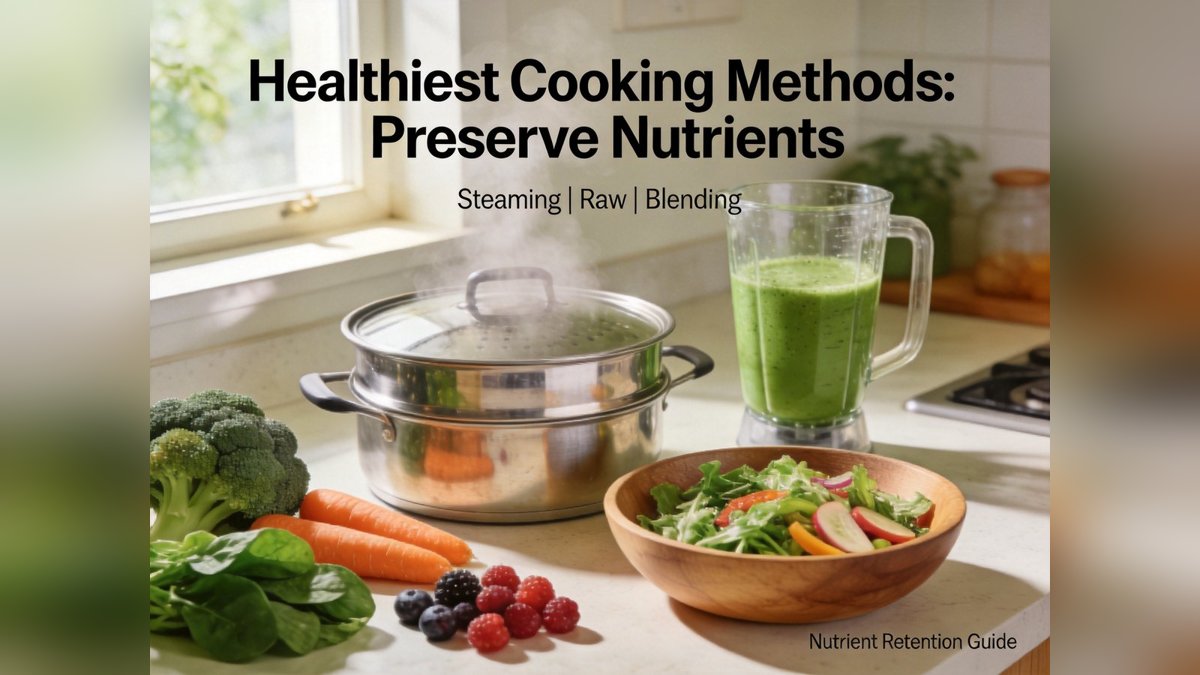
If there were an Olympic medal for cooking methods, steaming would take gold. It's fast, requires no added fat, and consistently outperforms almost every other technique when it comes to keeping nutrients intact. Heat-sensitive vitamins like vitamin C and many B vitamins are water-soluble and easily leach into cooking water. Because steaming suspends food above the liquid, those nutrients don't get flushed down the drain.
A 2022 study in the Journal of Food Science found that steaming broccoli retained up to 90% of its vitamin C content, whereas boiling left only about 60%. The same study showed that steaming preserved glucosinolates--the sulfur-containing compounds linked to cancer prevention--much better than boiling or microwaving did.
To get the most out of steaming, keep the water at a steady simmer rather than a rolling boil. Cut vegetables into uniform pieces to ensure even cooking, and resist the urge to overdo it. Most vegetables are perfectly tender after 5 to 7 minutes. Overcooking leads to the same nutrient loss you're trying to avoid. For a flavor boost, add fresh herbs or a splash of lemon juice after removing from the steamer.
According to a 2022 study in the Journal of Food Science, steaming retains up to 90% of vitamin C in broccoli, compared to only 60% with boiling.
Sautéing and Stir-Frying: Choosing the Right Oil Matters
Sautéing and stir-frying offer a happy medium between raw and heavily cooked. Quick cooking at high heat with a small amount of oil can actually make some nutrients more bioavailable. Carotenoids found in carrots, tomatoes, and spinach, for example, are absorbed better when cooked with a source of fat. The key is choosing the right oil for the job.
Extra-virgin olive oil is rich in polyphenols, but its smoke point (around 375°F) means it can degrade into harmful compounds if overheated. For high-heat stir-frying, opt for avocado oil or light olive oil, which have smoke points above 450°F. Avoid daily use of refined seed oils like soybean or corn oil--unless you're looking to add more omega-6s to a diet that likely already too high in them.
Another pro tip: cook vegetables until just tender, not limp. Overcooking in a hot pan can create acrylamide, a compound formed when starchy foods are browned at high temperatures. While the research is still evolving, minimizing char and burning is a smart practice.
Air Frying: A Healthier Alternative to Deep Frying?
The air fryer craze shows no signs of slowing down, and for good reason. It promises the crispy texture of deep frying with a fraction of the oil--typically one to two tablespoons instead of several cups. But does that automatically make every air-fried meal healthy?
From a calorie and fat standpoint, yes, air frying significantly reduces the fat content compared to traditional deep frying. A study in the Journal of Food Science and Technology found that air-fried fish had about 70-80% less fat than conventionally deep-fried fish. Additionally, because the cooking time is shorter, certain heat-sensitive nutrients in vegetables are better preserved than in oven roasting.
However, air frying does have a catch. Because it relies on circulating very hot air, it can still produce acrylamide in starchy foods like potato wedges or breaded items. The key is to avoid overcooking to the point of dark brown or charred spots. Also, keep in mind that air frying doesn't turn a processed food into a whole food--a bag of frozen onion rings is still a bag of processed onion rings, even if cooked with less oil.
Boiling: Simple but Nutrient Loss Risks
Boiling is often the default cooking method for pasta, potatoes, and grains, but when it comes to vegetables, it's one of the least nutrient-friendly techniques. Water-soluble vitamins like C and the B-complex group rapidly leach into the cooking liquid. A University of California, Davis study found that boiling carrots caused a 30-40% loss of carotenoids, while steaming resulted in almost no loss.
That doesn't mean you should never boil. For starchy vegetables like potatoes or root veggies, boiling can actually reduce the glycemic impact by breaking down starch into a more digestible form. Just be mindful of the water you use. If you boil vegetables, consider repurposing the nutrient-rich water as a base for soups or sauces to reclaim some of what was lost.
One more tip: wait until the water is at a full boil before adding vegetables, and keep the cooking time as short as possible. The longer they sit in that hot water bath, the more nutrients slip away.
Grilling: Flavor vs. Carcinogens
Grilling is practically a summer ritual, and nothing beats the smoky aroma of chicken or vegetables over an open flame. But high-heat grilling comes with a trade-off: the formation of heterocyclic amines (HCAs) and polycyclic aromatic hydrocarbons (PAHs), two groups of compounds that studies have linked to increased cancer risk in animals.
The good news is that you can significantly reduce these compounds with a few simple adjustments. Marinating meat for at least 30 minutes before grilling can lower HCA formation by up to 95%, according to research from the American Institute for Cancer Research. Acidic ingredients like vinegar, lemon juice, and wine are especially effective. Also, try to trim excess fat to reduce flare-ups, which are a major source of PAHs from smoke.
If you're grilling vegetables, the risk is much lower because they don't contain the amino acids and creatine that form HCAs in meat. So load up the skewers with bell peppers, zucchini, and onions. They'll get those wonderful char marks without the worry.
Key Takeaways for Healthier Cooking
Your choice of cooking method doesn't have to be perfect every time, but small shifts can add up to real benefits over months and years. Here are the main points to remember:
- Steam more, boil less. When you boil vegetables, repurpose the water for soup to recapture lost nutrients.
- Use oils wisely. Extra-virgin olive oil is great for low-heat cooking; avocado oil for high heat.
- Go easy on the char. Whether grilling or air frying, stop cooking before food turns dark brown or black.
- Add acid. A quick marinade with vinegar or citrus before grilling dramatically reduces harmful compounds.
- Keep it brief. The shorter the cooking time, the more nutrients stay put. Aim for vibrant, just-cooked textures.
Ultimately, the healthiest meal is one that's as close to its original form as possible. That doesn't mean eating everything raw--some foods actually become more nutritious when cooked. But being intentional about temperature, time, and technique will help you get the most out of every ingredient. So the next time you step into the kitchen, ask yourself not just what you're cooking, but how you're cooking it. Your body will notice the difference.
Building a healthy eating pattern does not require drastic changes or eliminating entire food groups. Small, consistent adjustments produce results that last far longer than crash diets or extreme elimination protocols. The most effective approach is to add nutritious foods to your diet rather than focusing on what to remove. A handful of leafy greens added to your lunch, an extra serving of vegetables at dinner, or swapping refined grains for whole grains at one meal per day creates momentum that naturally displaces less nutritious options without the deprivation mindset that undermines most dietary changes. Over weeks and months, these micro-habits compound into meaningful improvements in energy levels, digestion, and overall health markers.
Meal preparation is the single most effective strategy for maintaining a healthy diet during a busy week. Setting aside two to three hours on a Sunday to wash and chop vegetables, cook a batch of whole grains, portion out proteins, and prepare a simple dressing or sauce eliminates the daily decision fatigue that leads to takeout and convenience foods. Invest in a few good-quality glass containers that allow you to see contents at a glance. Focus on components rather than complete meals -- having prepped ingredients on hand lets you assemble different combinations throughout the week without eating the same thing every day. The time invested in meal prep pays back dividends in reduced stress, better food choices, and significant cost savings.