Table of Contents
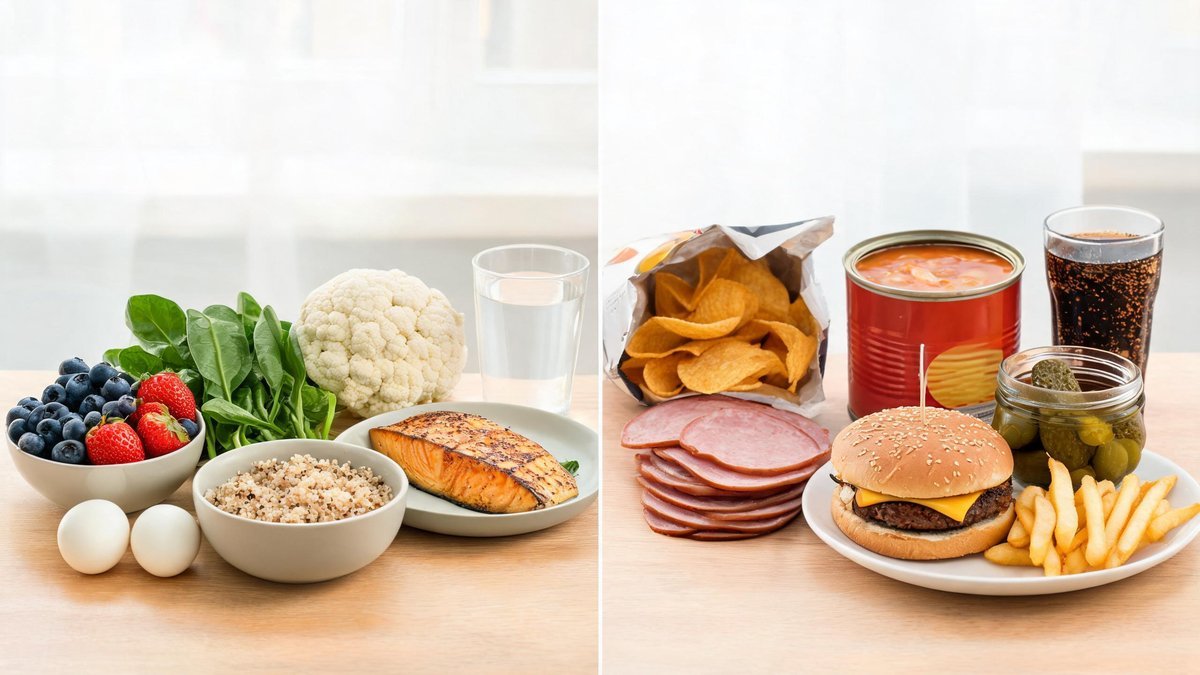
Your kidneys work relentlessly, filtering about 50 gallons of blood every day and removing waste, balancing fluids, and regulating blood pressure. What lands on your plate can either ease this workload or push the system toward damage. if you're aiming to prevent kidney disease or you're already managing chronic kidney disease (CKD), understanding the best and worst foods gives you real control. Here’s a breakdown of what to embrace—and what to avoid—to keep your kidneys functioning at their best.
1. Slash Sodium to Protect Your Filtration System
Sodium is a top enemy for your kidneys. When you flood your body with salt, your kidneys retain water to dilute it, raising blood volume and blood pressure. Over time, that extra pressure damages the delicate glomeruli, the tiny filters inside each nephron. The average American consumes around 3,400 milligrams of sodium per day, well above the recommended cap of 2,300 milligrams. Even cutting back by 1,000 milligrams a day can lower systolic blood pressure by 5 to 6 mm Hg—a serious difference for kidney vessels.
More than 70% of the sodium in your diet comes from processed and restaurant foods, not your salt shaker. Breads, deli meats, canned soups, and frozen dinners often hide staggering amounts. Your best move is to cook from scratch using whole ingredients. Flavor your meals with lemon juice, garlic, rosemary, or smoked paprika instead of reaching for salt. When you buy packaged items, scan the Nutrition Facts label and aim for foods with less than 140 milligrams of sodium per serving, or at least pick the lower-sodium version. Your kidneys will notice the relief almost immediately.
2. Rethink Your Protein – Quantity and Quality Matter
Protein is essential, but your kidneys must process its waste products. High animal protein intake forces the kidneys to increase filtration rate—a state called hyperfiltration—which can speed up kidney function decline if you have compromised kidneys. A long-term study found that each additional 10-gram rise in daily animal protein was associated with a 10–15% higher risk of developing kidney disease in middle-aged women. The nurses’ health study also reported that a single extra serving of red meat per day raised the odds of CKD by about 15%.
Nutrition Science: The Mediterranean diet has been ranked #1 by US News for 7 consecutive years. It is linked to a 25% reduction in cardiovascular disease risk in multiple long-term studies.
This doesn’t mean you need to ditch protein. Instead, shift the balance. Replace one animal-based meal a day with plant proteins like lentils, chickpeas, tofu, or quinoa. These foods deliver protein with less acid load and more fiber, which helps your kidneys excrete waste without excess strain. Keep your cooked animal protein portion to about 3 ounces—the size of a deck of cards. If you already have CKD, work with a renal dietitian to pinpoint your ideal daily intake, which might land between 0.6 and 0.8 grams per kilogram of body weight. Small swaps today can add up to years of well-functioning filters.
3. Beware of Hidden Phosphorus in Processed Foods
Phosphorus is a mineral that, in its natural form, binds to proteins in foods like dairy, meat, and whole grains; your body absorbs only 40–60% of it. But food manufacturers add inorganic phosphate additives to extend shelf life, improve texture, and enhance flavor. These synthetic phosphates are absorbed at nearly 100%, pumping a sudden phosphorus load into your bloodstream. For kidneys that are already struggling, this spike can weaken bones, calcify blood vessels, and accelerate kidney damage.
You’ll find these additives in fast food, processed cheese, boxed macaroni and cheese, frozen pizza, cola drinks, and even some packaged baked goods. The ingredients list is your cheat sheet—look for anything that contains “phos,” such as phosphoric acid, sodium phosphate, or pyrophosphate. Swap processed chicken nuggets for a fresh chicken breast; trade cheese spreads for natural cheese. Choose fresh or frozen vegetables without sauces. By cutting these hidden phosphorus sources, you could lower your serum phosphorus by as much as 0.5 mg/dL within weeks, easing the strain on your kidneys and protecting your bones.
4. Potassium: Adjust Your Intake Based on Kidney Function
Potassium is a double-edged sword. For healthy kidneys, a diet rich in potassium helps counteract sodium’s effects, relaxes blood vessel walls, and lowers blood pressure—the daily goal sits at 4,700 milligrams. But when kidney function declines, the organs can’t keep potassium within a safe range. Levels that climb too high can trigger dangerous heart rhythm disturbances. That’s why people with moderate to advanced CKD (stages 3 through 5) often need to restrict potassium to about 2,000–3,000 milligrams per day, though exact targets depend on lab results.
If your kidneys are working fine, load up on potassium stars like spinach, sweet potatoes, and avocado. If you’ve been diagnosed with CKD, your doctor may advise you to swap high-potassium powerhouses for lower-potassium alternatives. Replace bananas with apples, berries, or pineapple. Use cauliflower or green beans instead of potatoes. Leaching—soaking and boiling diced potatoes—can remove some potassium, but it’s easier to just choose naturally lower-potassium veggies. Work with a registered dietitian to match your intake to your latest bloodwork; it’s the safest way to keep both your heart and kidneys in rhythm.
5. Cut Sugary Drinks to Lower Kidney Stone and CKD Risk
That daily soda habit does more than add empty calories. The fructose in sugar-sweetened beverages increases uric acid production, which can crystallize in the kidneys and form stones. The same fructose overload also promotes inflammation, insulin resistance, and higher blood pressure—each a hammer blow to long-term kidney function. Data from the Jackson Heart Study showed that people who drank two or more sugar-sweetened beverages per day had a 30% higher risk of developing chronic kidney disease over an eight-year period compared to those who rarely touched them.
Even drinks billed as “natural” or “organic” can pack a fructose wallop. Your first, most powerful swap is water. If plain water feels boring, infuse a pitcher with cucumber slices, fresh mint, and a few slices of lemon or orange. Unsweetened iced herbal tea or sparkling water with a splash of tart cherry juice are other kidney-friendly replacements. Breaking the sugary drink cycle doesn’t just shield your kidneys—it can also trim your risk of type 2 diabetes, which is a leading driver of kidney failure. One simple switch at your next meal delivers a cascade of protection.
Building a healthy eating pattern does not require drastic changes or eliminating entire food groups. Small, consistent adjustments produce results that last far longer than crash diets or extreme elimination protocols. The most effective approach is to add nutritious foods to your diet rather than focusing on what to remove. A handful of leafy greens added to your lunch, an extra serving of vegetables at dinner, or swapping refined grains for whole grains at one meal per day creates momentum that naturally displaces less nutritious options without the deprivation mindset that undermines most dietary changes. Over weeks and months, these micro-habits compound into meaningful improvements in energy levels, digestion, and overall health markers.
Meal preparation is the single most effective strategy for maintaining a healthy diet during a busy week. Setting aside two to three hours on a Sunday to wash and chop vegetables, cook a batch of whole grains, portion out proteins, and prepare a simple dressing or sauce eliminates the daily decision fatigue that leads to takeout and convenience foods. Invest in a few good-quality glass containers that allow you to see contents at a glance. Focus on components rather than complete meals -- having prepped ingredients on hand lets you assemble different combinations throughout the week without eating the same thing every day. The time invested in meal prep pays back dividends in reduced stress, better food choices, and significant cost savings.
Understanding the science behind nutrition helps separate evidence-based recommendations from the endless stream of diet trends and marketing claims. The quality of research matters enormously -- randomized controlled trials carry far more weight than observational studies, and systematic reviews that pool data from multiple studies provide the most reliable guidance. Be particularly skeptical of studies funded by food manufacturers or organizations with a vested interest in the outcome. A healthy dose of scientific literacy serves you well in navigating conflicting nutrition advice. When in doubt, the fundamentals are remarkably consistent across decades of research: eat plenty of vegetables and fruits, choose whole grains over refined, prioritize plant and fish proteins, and limit added sugars and ultra-processed foods.
Mindful eating transforms your relationship with food by shifting focus from rigid rules to genuine awareness. Paying attention to hunger and fullness cues, eating without distractions like phones or television, and savoring each bite allows your body's natural regulation systems to function correctly. Research shows that mindful eating practices reduce binge eating episodes, improve digestion, and lead to more satisfying meals with smaller portions. Start with a simple practice: before each meal, take three deep breaths and observe the colors, aromas, and textures on your plate. Eat slowly, putting your fork down between bites, and pause midway through to assess your fullness level. These small adjustments rewire deeply ingrained eating habits over time.
Eating well on a budget is entirely achievable with strategic planning and some simple techniques. Frozen vegetables and fruits are just as nutritious as fresh -- often more so, since they are flash-frozen at peak ripeness -- and cost significantly less while lasting far longer. Dried beans and lentils cost pennies per serving compared to canned versions and allow you to control sodium. Whole grains purchased in bulk from the bins section of your grocery store cost a fraction of packaged alternatives. Seasonal produce is both cheaper and more flavorful than out-of-season imports. Planning your weekly menu around what is on sale rather than deciding what you want and hoping for a deal can cut your grocery bill by 20 to 30 percent without sacrificing nutritional quality.
Gut health has emerged as one of the most important areas of nutritional science, with research revealing that the trillions of bacteria living in your digestive tract influence everything from immune function to mood regulation to weight management. Feeding your gut microbiome a diverse range of fiber sources -- soluble fiber from oats and beans, insoluble fiber from vegetables and whole grains, and prebiotic fiber from garlic, onions, and bananas -- supports a healthy and diverse bacterial ecosystem. Fermented foods like yogurt, kefir, sauerkraut, and kimchi introduce beneficial probiotics directly. Limiting artificial sweeteners, emulsifiers, and excessive alcohol helps protect the gut lining from inflammation and permeability issues that can trigger broader health problems.